



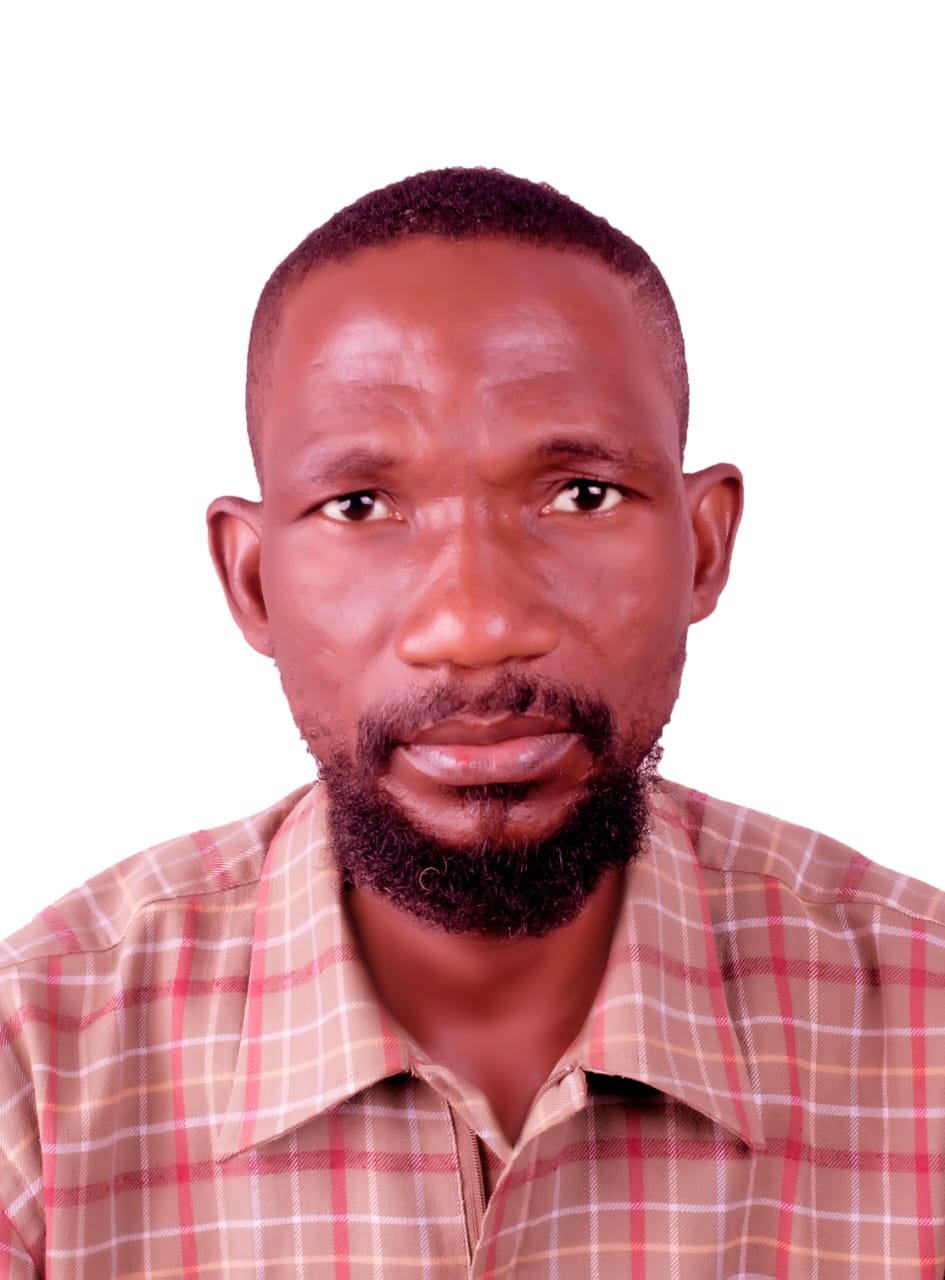
Reported by Afilawos Magana Sur, investigative Journalist at Sele Media Africa.
ABUJA, Nigeria — A proposed United States congressional bill seeking targeted sanctions against individuals and groups allegedly linked to religiously motivated violence in Nigeria has drawn praise from sections of the country’s Christian community, while also highlighting policy differences between Capitol Hill and the White House over the drivers of terrorism in Africa’s most populous nation. The draft legislation, titled the Nigeria Religious Freedom and Accountability Act of 2026, was introduced in the U.S. House of Representatives on February 10, 2026, by Chris Smith, Chairman of the House Foreign Affairs Subcommittee on Africa, alongside Riley Moore. What the Bill proposes according to congressional summaries and advocacy reporting, the bill mandates the U.S. Secretary of State to submit detailed reports identifying individuals, organizations, and state actors allegedly responsible for acts of violence, persecution, or discrimination based on religion in Nigeria.It further authorizes targeted sanctions under the Global Magnitsky Human Rights Accountability framework, including visa bans and asset freezes against designated actors found culpable in religious freedom violations. The proposed legislation also requires periodic compliance updates to Congress and outlines oversight mechanisms for monitoring Nigeria’s response. Notably, media reports indicate that the bill references Fulani-ethnic nomadic militias and names organizations such as the Miyetti Allah Cattle Breeders Association of Nigeria (MACBAN) and Miyetti Allah Kautal Hore as entities subject to potential sanctions if found complicit in violence. Christian advocacy groups in Nigeria’s Middle Belt and southern regions have welcomed the move, arguing that it reflects longstanding concerns over targeted attacks on predominantly Christian farming communities. Diverging approaches in Washington however, differences appear to persist between congressional advocates of the bill and U.S. executive branch security priorities.At a January press conference in Washington, D.C., Judd Saul, founder of TruthNigeria, stated that current U.S. military cooperation with Nigerian security agencies focuses primarily on internationally designated terrorist organizations such as ISIS-affiliated factions and Boko Haram, rather than ethnic militias.The U.S. government formally designated Boko Haram and its offshoot, the Islamic State West Africa Province (ISWAP), as terrorist organizations years ago. American counterterrorism support to Nigeria has largely concentrated on combating these insurgent groups in the North-East. Saul argued that there is no current operational directive from the U.S. government targeting Fulani-ethnic militias as primary drivers of terrorism against Christians in the Middle Belt — a claim that underscores the broader debate in Washington over how to characterize and respond to Nigeria’s complex security crisis. Nigeria’s security landscape Nigeria’s insecurity is multifaceted, involving jihadist insurgency in the North-East, armed banditry in the North-West, farmer-herder clashes across the Middle Belt, separatist tensions in the South-East, and piracy in the Gulf of Guinea.While some international human rights groups and Nigerian Christian leaders have framed recurring violence in central Nigeria as religiously motivated persecution, Nigerian authorities have often described many of the conflicts as resource-driven disputes over land, grazing routes, and climate pressures — though acknowledging that criminal and extremist elements exploit communal divisions. The proposed U.S. bill enters this sensitive terrain at a time when Nigeria continues to seek foreign security cooperation, intelligence sharing, and military equipment from Western partners. Diplomatic and policy implications passed, the Nigeria Religious Freedom and Accountability Act could increase diplomatic scrutiny of Abuja’s handling of religious freedom and communal violence. It may also affect U.S.–Nigeria bilateral relations, particularly if sanctions are imposed on individuals or organizations operating within the country. For now, the bill remains at the committee stage in the House of Representatives, where it will undergo further review and debate. As Africa’s largest democracy navigates persistent security challenges, the conversation unfolding in Washington signals renewed international attention on religious freedom, counterterrorism policy, and accountability mechanisms in Nigeria. Sources Reporting by TruthNigeria; coverage and related reporting by Reuters, Associated Press (AP News), The Washington Post, and BBC News on U.S. congressional actions and Nigeria’s security crisis.


Afilawos Magana Sur is a journalist from Bogoro Local Government Area of Bauchi State, currently based in Bauchi metropolis. He is known for his commitment to accurate, ethical, and responsible journalism, with a focus on reporting issues of public relevance and community development.
About The Author

Share this:

Discover more from Sele Media Africa
Subscribe to get the latest posts sent to your email.