
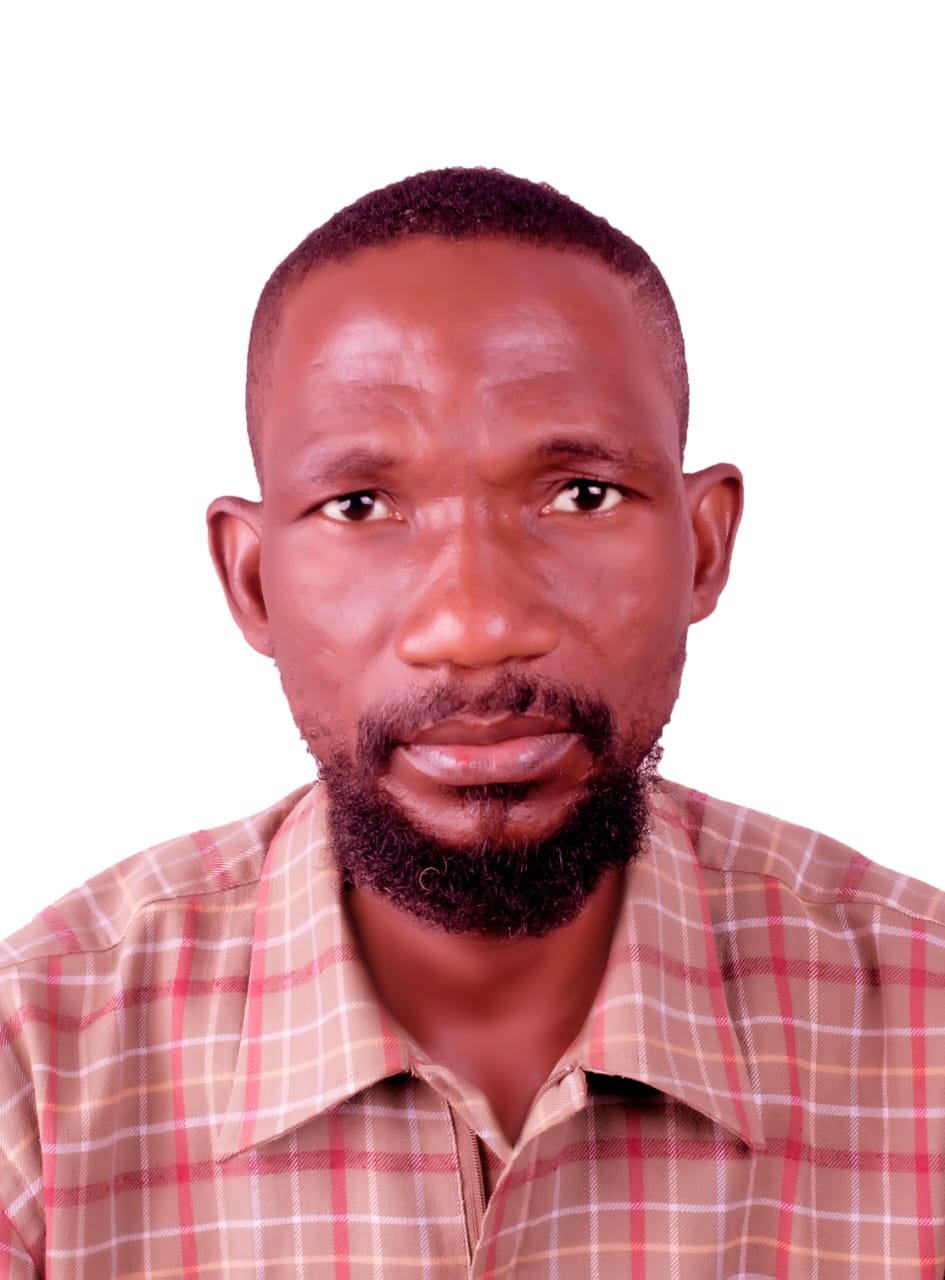
Reported by Afilawos Magana Sur, Managing Editor | Journalist at Sele Media Africa.
United States President Donald Trump has sharply criticized members of the North Atlantic Treaty Organization (NATO), describing them as “cowards” and “paper tigers” amid escalating tensions surrounding Iran and the strategic Strait of Hormuz. The remarks, delivered on Friday, come as Washington intensifies its focus on securing the Strait of Hormuz—a critical global chokepoint through which roughly a fifth of the world’s oil supply passes. The waterway remains a focal point of geopolitical friction involving Iran, particularly as regional hostilities continue to raise concerns about maritime security and energy stability.
President Trump’s criticism reflects growing frustration within his administration over what it perceives as insufficient military support from NATO allies in efforts to safeguard international shipping lanes. According to statements attributed to the U.S. leader, allied nations have failed to respond adequately to calls for a coordinated military presence aimed at deterring potential threats in the Gulf. However, Trump’s position has appeared inconsistent in recent days. While at times asserting that the United States possesses sufficient capability to independently secure the Strait, he has also publicly rebuked allied nations for not contributing more robustly to the mission. This dual messaging has drawn scrutiny from analysts who note it may complicate diplomatic coordination within the alliance. Security in the Strait of Hormuz has taken on renewed urgency amid heightened tensions between Washington and Tehran. The U.S. has long accused Iran of threatening freedom of navigation in the region, allegations that Iranian authorities have repeatedly denied. Tehran maintains that its actions are defensive and in response to what it describes as external aggression and economic pressure. Military experts warn that any disruption to shipping through the Strait could have immediate and far-reaching consequences for global energy markets, particularly for oil-dependent economies across Africa and Asia. For African nations already grappling with inflationary pressures and energy insecurity, instability in the Gulf could translate into higher fuel costs and economic strain. NATO, a transatlantic military alliance primarily focused on collective defense in Europe and North America, has historically taken a cautious approach to direct involvement in Middle Eastern conflicts. While some member states have participated in maritime security initiatives in the Gulf, there is no unified NATO-led operation specifically targeting the Strait of Hormuz at this time. Diplomatic observers suggest that Trump’s remarks may reflect broader tensions within NATO over burden-sharing and strategic priorities. The U.S. has repeatedly called on allies to increase defense spending and assume greater responsibility in global security operations—a position that has been a consistent theme throughout Trump’s political tenure. Meanwhile, European powers have shown reluctance to escalate military engagement with Iran, favoring diplomatic channels to de-escalate tensions. Countries such as the United Kingdom, France, and Germany have emphasized the importance of preserving regional stability through negotiation rather than confrontation. The situation underscores a widening gap between Washington’s assertive posture and the more measured approach of its allies. Analysts warn that public criticism of NATO partners could further strain cohesion within the alliance at a time when unity is considered essential to addressing complex global security challenges.
As developments continue to unfold, the international community remains watchful of both rhetoric and action in the Gulf region. Any escalation—whether military or diplomatic—could have profound implications not only for Middle Eastern stability but also for global trade and energy supply chains. Sources: Reuters, Al Jazeera, BBC News, The New York Times, Financial Times.
Author


Afilawos Magana Sur is a journalist from Bogoro Local Government Area of Bauchi State, currently based in Bauchi metropolis. He is known for his commitment to accurate, ethical, and responsible journalism, with a focus on reporting issues of public relevance and community development.
Share this:

Discover more from Sele Media Africa
Subscribe to get the latest posts sent to your email.