




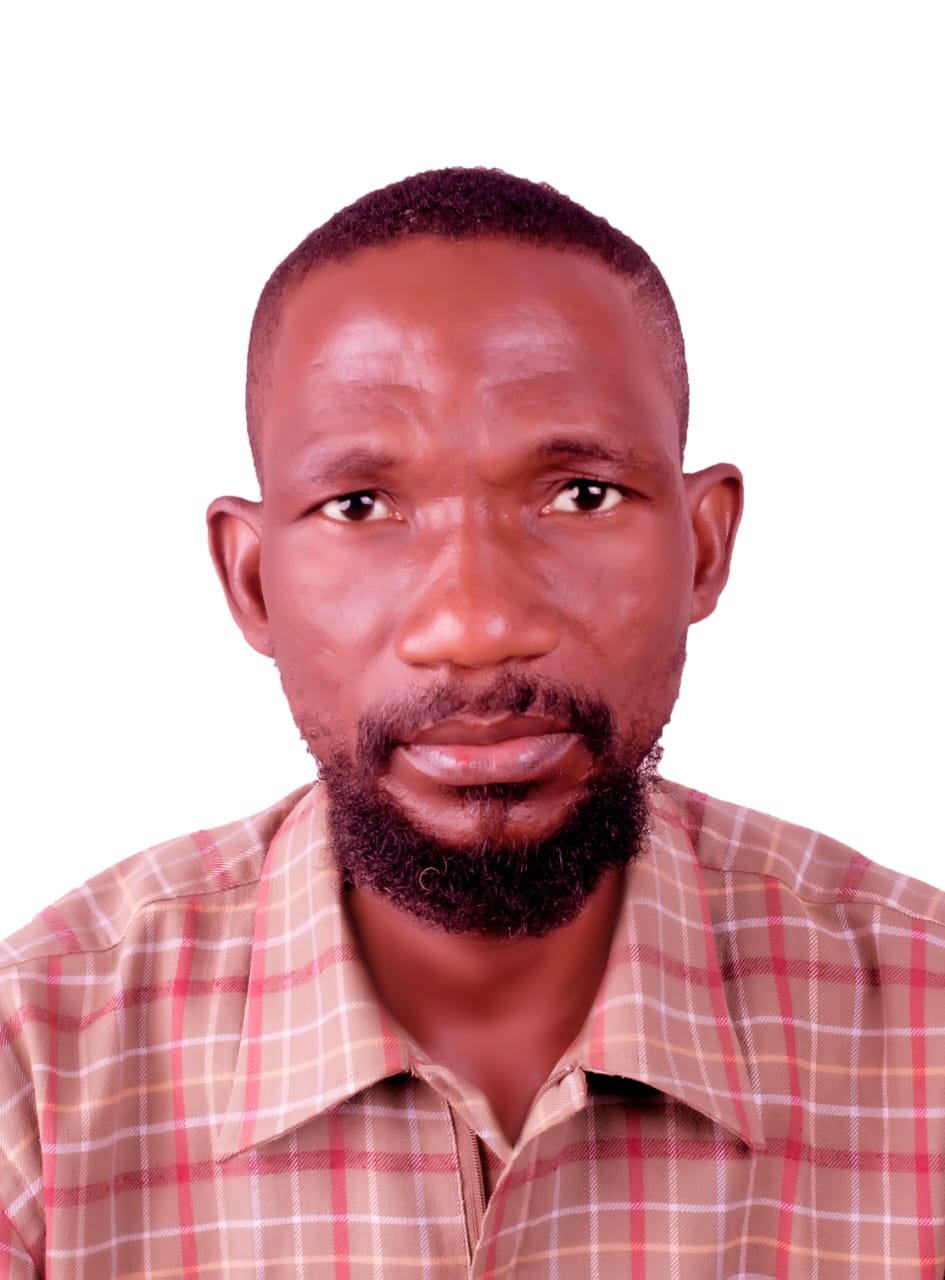
Reported by Afilawos Magana Sur, investigative Journalist at Sele Media Africa.
Nigeria’s National Security Adviser, Nuhu Ribadu, is facing growing criticism from political opponents, civil society groups, and sections of the public over allegations that the federal government engaged in negotiations with armed groups responsible for kidnappings and terror attacks. The controversy intensified after reports surfaced claiming that the Nigerian government may have paid ransom to secure the release of more than 260 students abducted from a Catholic school in Niger State in November 2025. According to investigations cited by international media, the alleged payment could have reached millions of dollars, though Nigerian authorities have firmly denied the claim. Truth Nigeria +1 Allegations of ransom negotiations the allegations were widely circulated after an investigative report referenced by global wire services suggested that intermediaries working with security officials negotiated with militants to secure the students’ release. Critics argue that any such payment would contradict Nigeria’s anti-terrorism laws, which prohibit ransom payments or negotiations with terrorist groups under the Terrorism (Prevention and Prohibition) Act. allAfrica.com opposition parties and some security analysts have therefore called for greater transparency around the operation. They argue that if negotiations occurred, the government must explain the legal and operational framework behind the decision.The federal government, however, has rejected the accusations. Officials in the administration of President Bola Ahmed Tinubu insist that no ransom was paid and describe the allegations as misleading and politically motivated. Punch Newspapers viral remarks add fuel to debate public debate intensified after a video circulated online showing Ribadu speaking to journalists in Hausa. In the footage, the security adviser described militants as “our brothers,” suggesting that many insurgents come from the same communities as their victims. While some observers interpreted the remarks as an appeal for reconciliation and deradicalisation, critics argue the language appeared overly conciliatory toward groups responsible for deadly attacks across northern Nigeria. The comments triggered a wave of reactions across political and media platforms, with some analysts questioning whether the government’s counter-terrorism strategy is shifting toward dialogue with armed groups. Truth Nigeria a complex counter-terrorism landscape Nigeria continues to face multiple security threats, including insurgency from extremist factions linked to Boko Haram and the Islamic State West Africa Province (ISWAP), as well as widespread banditry and kidnapping networks operating across several northern states. Supporters of Ribadu argue that negotiations—whether direct or indirect—have historically been used by governments worldwide in hostage situations. Some security experts note that engagement with militants can be part of broader strategies involving deradicalisation, intelligence gathering, and humanitarian rescue operations. Others warn that even perceived concessions to armed groups risk emboldening criminal networks and undermining deterrence. Political and security implications the controversy has placed Ribadu, a former anti-corruption chief and now Nigeria’s top security adviser, under renewed public scrutiny as the government attempts to stabilise regions affected by insurgency and banditry. Wikipedia despite the criticism, supporters argue that Nigeria’s security forces have recorded operational gains against insurgent groups in recent years and urge the public to focus on long-term security outcomes rather than political narratives surrounding individual incidents. Premium Times Nigeria for now, the debate underscores the difficult balance between saving lives during hostage crises and maintaining a strict policy against negotiating with violent non-state actors. Sources: AFP (via international wire reports), Punch Nigeria; Premium Times; AllAfrica; TruthNigeria.

Afilawos Magana Sur is a journalist from Bogoro Local Government Area of Bauchi State, currently based in Bauchi metropolis. He is known for his commitment to accurate, ethical, and responsible journalism, with a focus on reporting issues of public relevance and community development.
About The Author

Share this:
Discover more from Sele Media Africa
Subscribe to get the latest posts sent to your email.