
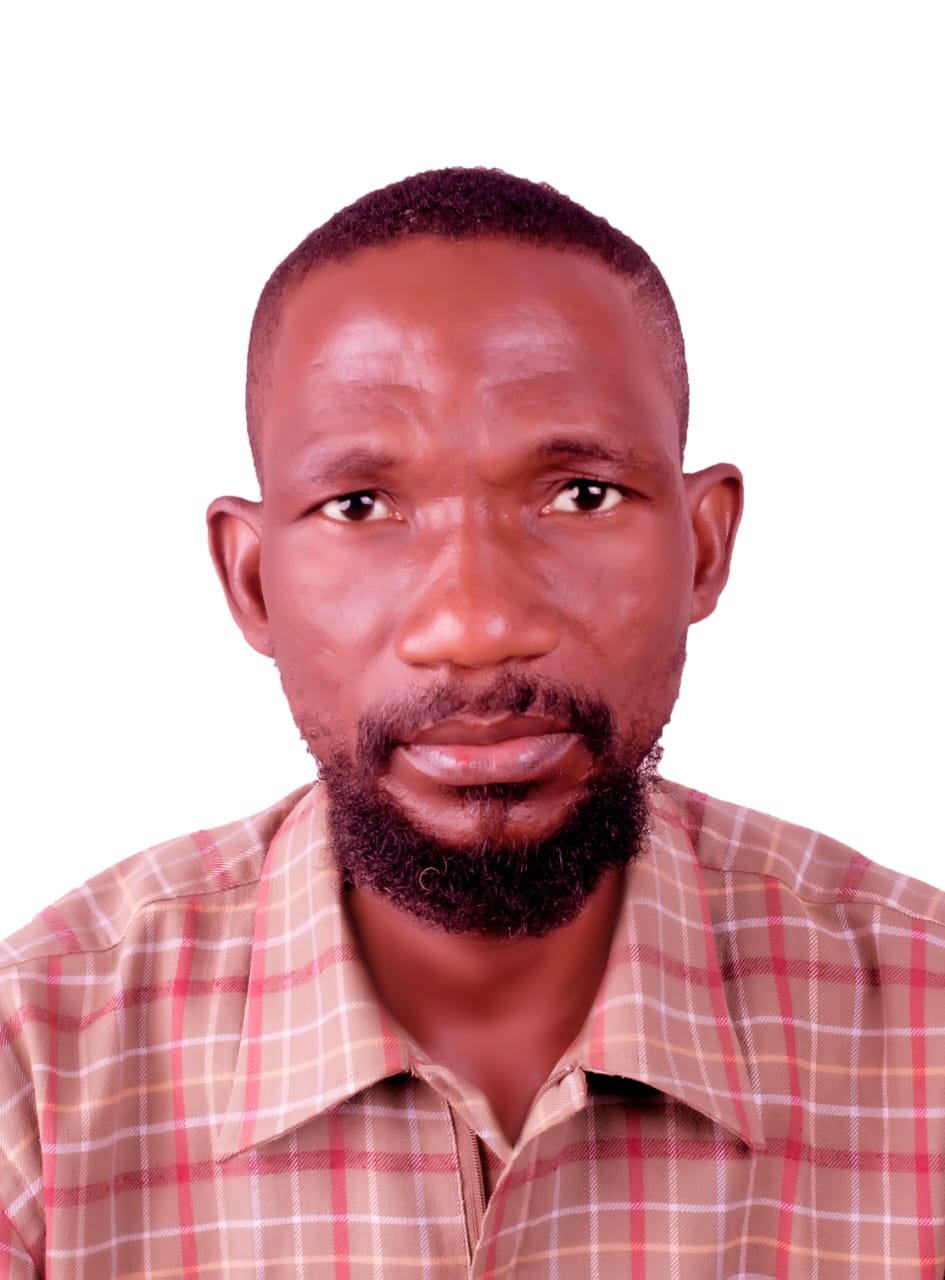
Reported by Afilawos Magana Sur, Managing Editor | Journalist at Sele Media Africa.
March 21 marks the anniversary of a tragic and deeply troubling episode in Nigeria’s history— the killing of Christianah Oluwatoyin Olusase, a secondary school teacher who was murdered in 2007 following allegations of religious misconduct. Nearly two decades later, the incident continues to raise urgent questions about mob justice, religious intolerance, and the protection of fundamental human rights across the country. According to multiple contemporaneous reports, Christianah Oluwatoyin Olusase, a teacher in Gombe State, northeastern Nigeria, was accused by some of her students of desecrating the Quran—an allegation that was never substantiated through formal investigation or judicial process. The accusation reportedly sparked outrage among sections of the student body, escalating rapidly into violence. Eyewitness accounts cited by local and international media at the time described how a group of students allegedly turned on the teacher, physically assaulting her in a mob attack that ultimately led to her death. Efforts to de-escalate the situation reportedly failed, and the incident unfolded within the school premises, shocking the wider community and drawing condemnation from civil society groups. The killing of Olusase is often referenced alongside other incidents in Nigeria where accusations of blasphemy or religious offense have triggered extrajudicial violence. Analysts say such cases reflect deeper societal tensions, including fragile interfaith relations, weak institutional response mechanisms, and the persistence of mob justice in certain parts of the country. Human rights advocates have consistently emphasized that allegations of religious misconduct—no matter how sensitive—must be handled through lawful and transparent judicial processes. The failure to do so, they argue, not only undermines the rule of law but also exposes individuals, particularly minorities, to grave risks. At the time of the incident, several media organizations reported on the killing, highlighting both the brutality of the act and the broader implications for Nigeria’s religious and social cohesion. Reports by outlets such as the BBC and Reuters documented the circumstances surrounding the attack and noted concerns from international observers regarding rising intolerance and the lack of accountability in similar cases. Despite public outrage, questions have lingered over accountability and justice. Like many mob-related killings in Nigeria, the case did not result in widely publicized prosecutions, reinforcing concerns about impunity and the difficulty of securing justice in cases involving large groups of perpetrators. In the years since, Nigeria has continued to grapple with the challenge of balancing religious sensitivities with constitutional guarantees of freedom of belief and expression. While the country is constitutionally secular, it remains deeply religious, with complex dynamics between Muslim and Christian communities, particularly in northern regions. Security experts and sociologists point to the need for sustained civic education, stronger law enforcement response, and community-based conflict resolution mechanisms to prevent similar tragedies. They also stress the importance of holding perpetrators accountable, regardless of the context, to deter future acts of mob violence. For many, the remembrance of Christianah Oluwatoyin Olusase is not only about honoring her life but also about confronting uncomfortable truths. It serves as a solemn reminder of the consequences of misinformation, collective hysteria, and the breakdown of lawful order.
As Nigeria continues to navigate its diverse religious landscape, stakeholders—from government institutions to religious leaders and civil society—face a shared responsibility to promote tolerance, protect human dignity, and ensure that justice is neither delayed nor denied. Sources: BBC News, (archival reports on religious violence in northern Nigeria) Reuters, (coverage of mob killings and blasphemy-related incidents in Nigeria)
Human Rights Watch (reports on religious violence and mob justice in Nigeria) Amnesty International (documentation of extrajudicial killings and accountability gaps).
Author


Afilawos Magana Sur is a journalist from Bogoro Local Government Area of Bauchi State, currently based in Bauchi metropolis. He is known for his commitment to accurate, ethical, and responsible journalism, with a focus on reporting issues of public relevance and community development.
Share this:

Discover more from Sele Media Africa
Subscribe to get the latest posts sent to your email.