



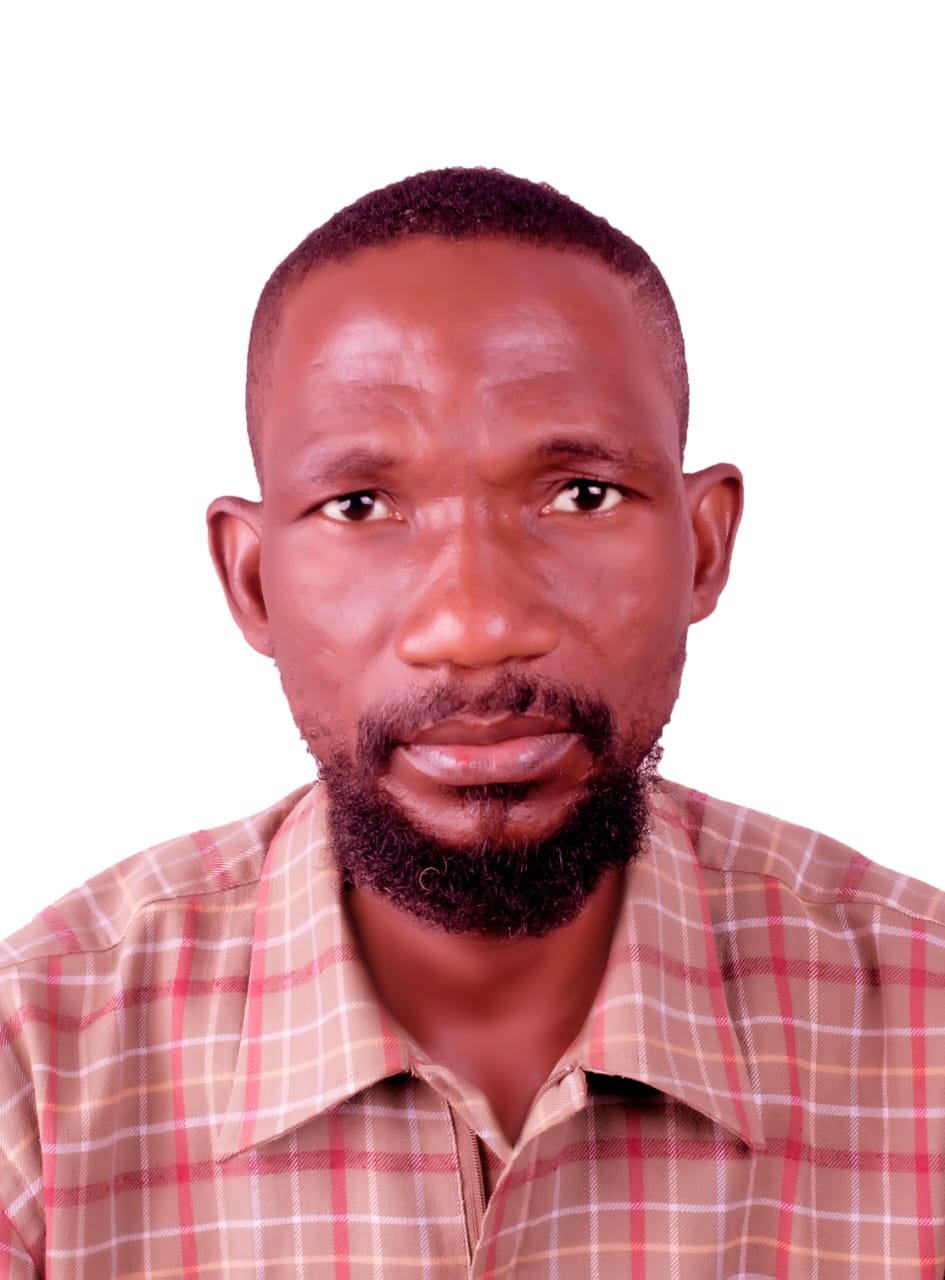
Reported by Afilawos Magana Sur, investigative Journalist at Sele Media Africa.
At least 169 people have been killed and buried in a mass grave following a deadly attack in northern South Sudan’s Ruweng Administrative Area, according to local officials, marking one of the deadliest episodes of violence in the region in recent months.Authorities in the oil-producing Ruweng area, located in Upper Nile State, confirmed that the victims were recovered and interred in a single mass grave after armed assailants attacked communities in the region. The killings have reignited concerns about persistent insecurity and communal violence in the world’s youngest nation. Details of the attack local officials reported that the violence unfolded in remote parts of Ruweng, an area historically prone to intercommunal clashes, cattle raids, and armed militia activity. Survivors described coordinated assaults on villages, resulting in significant civilian casualties. While authorities have not released a full breakdown of the victims, officials indicated that many of those killed were civilians, including women and children. Security forces have since been deployed to stabilize the area and prevent retaliatory violence. The Ruweng Administrative Area is strategically significant due to its oil infrastructure, which plays a crucial role in South Sudan’s fragile economy. However, disputes over land, political representation, and access to resources have repeatedly fueled tensions among communities. Broader context of instability South Sudan has struggled with cycles of violence since gaining independence from Sudan in 2011. A brutal civil war erupted in 2013 between forces loyal to President Salva Kiir and those aligned with his then-deputy Riek Machar, leading to hundreds of thousands of deaths and widespread displacement. Although a 2018 peace agreement formally ended large-scale hostilities, sporadic clashes, intercommunal violence, and armed group activity continue to destabilize parts of the country, particularly in Upper Nile, Jonglei, and Unity states.Analysts note that weak state institutions, delayed security sector reforms, and competition over oil revenues remain underlying drivers of conflict. Humanitarian agencies have also warned that ongoing violence exacerbates food insecurity and displacement in a country already grappling with economic hardship and climate-related challenges. Calls for accountability and protection local leaders have called for a full investigation into the massacre and urged the national government to reinforce civilian protection measures. Community representatives are also demanding accountability for those responsible and increased security presence in volatile areas. The national government has yet to issue a comprehensive public statement detailing the perpetrators or confirming arrests related to the attack. However, regional observers say the scale of the killings underscores the urgent need for sustained peace implementation and reconciliation efforts. International partners, including the United Nations Mission in South Sudan (UNMISS), have repeatedly emphasized the importance of protecting civilians and strengthening early warning mechanisms to prevent mass casualty incidents. Regional and continental implications for East Africa and the broader continent, renewed violence in South Sudan carries significant implications for regional stability, refugee flows, and energy markets. Neighboring countries have previously absorbed waves of displaced South Sudanese civilians during periods of intensified conflict. As Africa continues to prioritize peacebuilding and conflict resolution under continental frameworks such as the African Union’s Silencing the Guns initiative, developments in South Sudan remain a critical test of long-term stabilization efforts. Sources: Reuters; Al Jazeera; BBC News; Associated Press.


Afilawos Magana Sur is a journalist from Bogoro Local Government Area of Bauchi State, currently based in Bauchi metropolis. He is known for his commitment to accurate, ethical, and responsible journalism, with a focus on reporting issues of public relevance and community development.
About The Author

Share this:

Discover more from Sele Media Africa
Subscribe to get the latest posts sent to your email.