
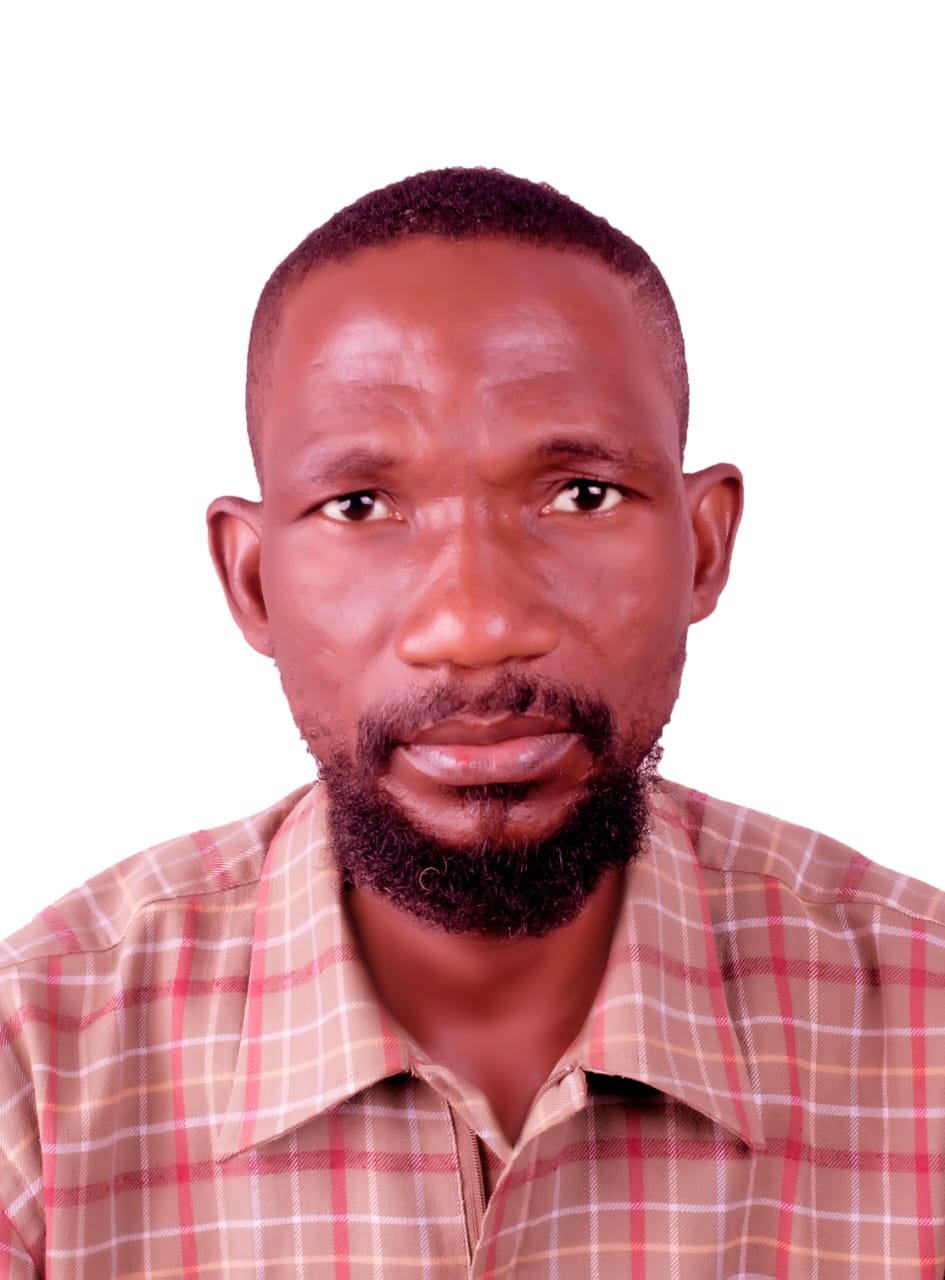
Reported by Afilawos Magana Sur, Managing Editor | Journalist at Sele Media Africa.
Nigeria’s ongoing battle against terrorism has taken a renewed turn as former Chief of Army Staff, Lieutenant General (Rtd.) Tukur Buratai, called for more decisive and actionable measures against individuals suspected of financing terror activities across the country. Speaking during a public discourse on national security, Buratai emphasized that the fight against terrorism must go beyond rhetoric and intelligence gathering to include concrete steps that disrupt financial networks sustaining extremist groups. His remarks come amid growing concerns over the persistence of insurgency, banditry, and other forms of violent extremism, particularly in northern Nigeria. “You cannot say I should be responsible for naming the financiers of terror,” Buratai stated, underscoring the sensitivity and complexity of the issue. “It’s not just about mentioning names. Action should be taken. These individuals are still within society today, and they are known.” His comments highlight a long-standing debate within Nigeria’s security architecture: the gap between identifying sponsors of terrorism and prosecuting them effectively. While successive administrations have pledged to clamp down on terror financing, critics argue that enforcement remains weak, with few high-profile convictions despite years of insurgency linked to groups such as Boko Haram and Islamic State West Africa Province (ISWAP). Security analysts note that Buratai’s intervention reflects broader institutional frustrations. Over the past decade, Nigeria has invested heavily in military operations, intelligence coordination, and regional security partnerships. However, experts increasingly agree that without dismantling the financial lifelines of terrorist organizations, military gains may remain temporary. Buratai, who led the Nigerian Army from 2015 to 2021 during a critical phase of counterinsurgency operations, has consistently advocated a holistic approach to security. His latest remarks align with international best practices, which stress the importance of targeting financial networks, including illicit funding channels, money laundering systems, and local collaborators who provide logistical support. Across Africa, similar challenges persist. In the Sahel region, countries such as Mali, Niger, and Burkina Faso have struggled with insurgencies fueled in part by informal economies and cross-border smuggling networks. Nigeria, as Africa’s most populous nation and largest economy, remains central to regional stability, making its counterterrorism strategy a matter of continental importance. Recent reports by global organizations, including the Financial Action Task Force (FATF) and the Institute for Economics and Peace, have repeatedly identified terror financing as a critical vulnerability in Nigeria’s security framework. These reports call for stronger legal mechanisms, improved financial intelligence, and greater political will to prosecute offenders regardless of their status or influence. Buratai’s statement also raises questions about accountability and political courage. Civil society groups have long argued that the reluctance to publicly name and prosecute suspected financiers undermines public trust and emboldens criminal networks. They contend that transparency, combined with judicial efficiency, is essential to breaking the cycle of violence. Meanwhile, the Nigerian government has maintained that efforts are ongoing. Authorities have pointed to the work of agencies such as the Economic and Financial Crimes Commission (EFCC) and the Nigerian Financial Intelligence Unit (NFIU), which have reportedly tracked suspicious transactions and collaborated with international partners. However, the impact of these efforts remains a subject of debate. For many Nigerians, the stakes are deeply personal. Years of conflict have displaced millions, disrupted livelihoods, and strained social cohesion. As such, calls for decisive action against terror financiers resonate strongly with a population eager for lasting peace and security. Buratai’s remarks, therefore, serve as both a critique and a call to action—urging policymakers, security agencies, and the judiciary to move beyond identification toward enforcement. As Nigeria continues to navigate its complex security landscape, the effectiveness of its response to terror financing may well determine the trajectory of its broader counterterrorism efforts. Sources: BBC News, Al Jazeera, Reuters, The Guardian Nigeria, Premium Times Nigeria.
Author


Afilawos Magana Sur is a journalist from Bogoro Local Government Area of Bauchi State, currently based in Bauchi metropolis. He is known for his commitment to accurate, ethical, and responsible journalism, with a focus on reporting issues of public relevance and community development.
Share this:

Discover more from Sele Media Africa
Subscribe to get the latest posts sent to your email.