


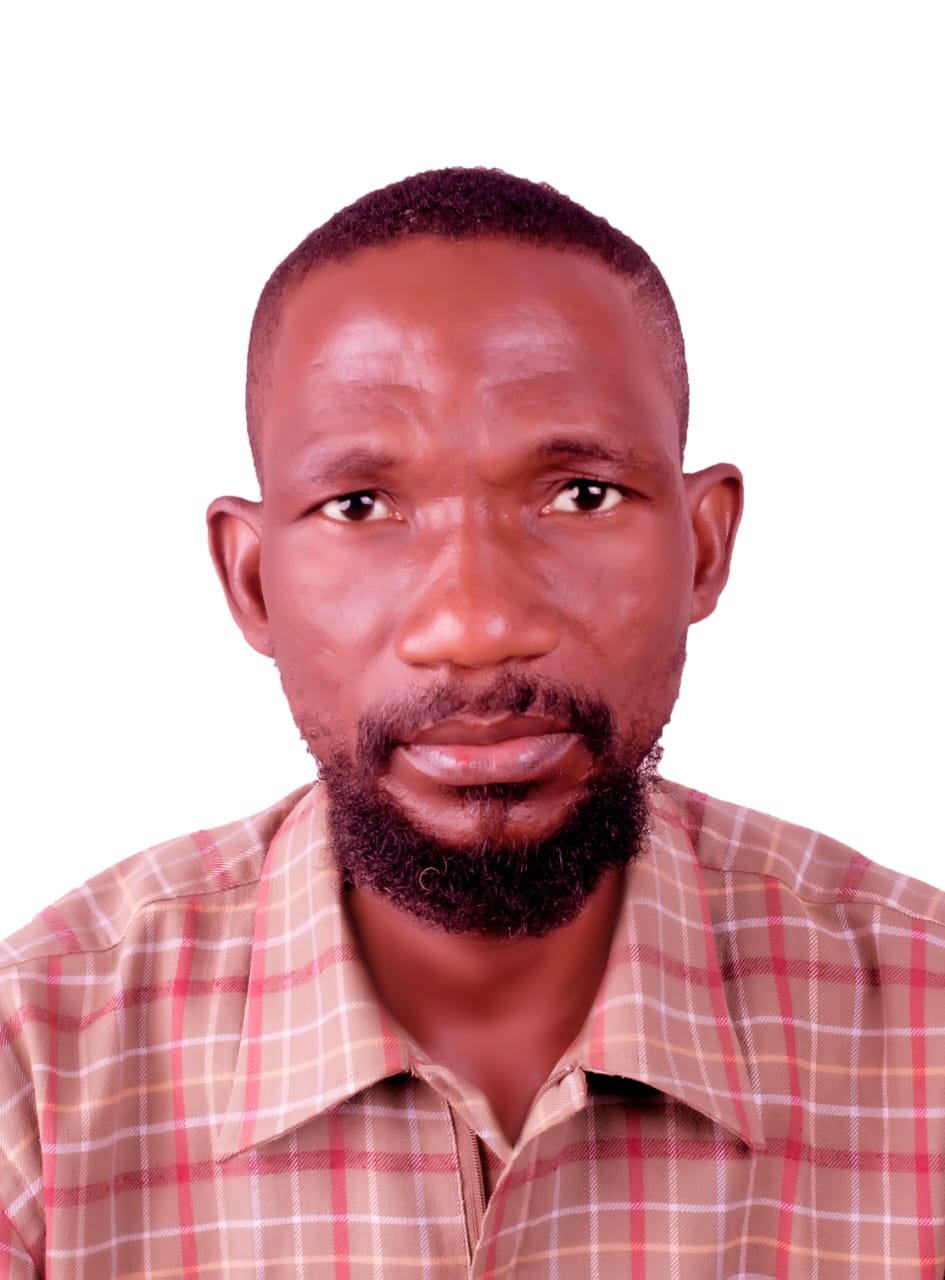
Reported by Afilawos Magana Sur, Managing Editor | Journalist at Sele Media Africa.
Nigeria’s military has rejected reports claiming that more than 100 soldiers were killed by Boko Haram insurgents within a week in the country’s northeast, escalating tensions between the armed forces and a prominent online media platform that first published the allegation. The controversy follows reports circulated by the investigative outlet SaharaReporters, which alleged that Nigerian troops suffered heavy casualties during a series of attacks by Boko Haram and its splinter faction, the Islamic State West Africa Province (ISWAP), in Borno State. The report suggested that over 100 soldiers were killed across multiple incidents in a span of days.However, the Nigerian Army has strongly denied the claims, describing them as inaccurate and based on “unverified sources.” In a statement issued by military authorities, the army said the publication misrepresented the events surrounding recent attacks in the northeast and failed to acknowledge the efforts of troops who reportedly repelled several insurgent assaults. tvcnews.tvMilitary pushback over casualty claims according to the military, the report alleging dozens of deaths among Nigerian troops during Boko Haram attacks distorted the realities of ongoing operations. Officials emphasized that soldiers engaged the militants in intense clashes and prevented them from gaining ground in several communities. Army spokespersons also accused the publication of undermining morale and spreading misinformation during active counter-terrorism operations. The statement argued that reporting based on unverified figures could amplify insurgent propaganda and erode public confidence in security institutions. Trending News separately, the Chief of Army Staff reportedly dismissed claims that a senior officer and dozens of soldiers were killed during attacks in Ngoshe, Borno State. Military leadership insisted that while engagements with insurgents did occur, the casualty figures circulating online were exaggerated. guardian.ng escalating security crisis in Northeast Nigeria despite the dispute over casualty figures, recent attacks in northeastern Nigeria highlight the continuing threat posed by Boko Haram and ISWAP more than a decade after the insurgency began.Communities across Borno State—including Ngoshe, Konduga, Marte, Jakana, and Mainok—have experienced renewed militant activity in recent weeks. Local officials and security sources say insurgents have launched coordinated assaults on villages and military positions, sometimes targeting civilians in retaliation for security operations. APnews.com the broader insurgency, which began in 2009, has killed tens of thousands of people and displaced millions across Nigeria and neighboring countries in the Lake Chad Basin. Armed groups affiliated with Boko Haram continue to employ tactics such as raids on military bases, kidnappings, and attacks on rural communities. ABC News +1 Media, transparency, and conflict reporting the dispute between the Nigerian Army and SaharaReporters underscores ongoing tensions between the military and sections of the press over reporting on security operations. Media analysts note that accurate casualty reporting during conflict is often difficult due to restricted access to battle zones, reliance on anonymous sources, and competing narratives from security agencies and independent reporters. Security experts also caution that transparency remains crucial for public trust, particularly as Nigeria continues to confront a complex security landscape involving Boko Haram, ISWAP, bandit groups, and other militant networks operating across the Sahel region. AP News for now, the precise number of casualties from recent clashes remains disputed, reflecting the broader challenges of verifying battlefield information in one of Africa’s longest-running insurgencies. Sources: Reuters, Associated Press, The Guardian Nigeria, TVC News, ABC News, SaharaReporters, Human Rights Watch.


Afilawos Magana Sur is a journalist from Bogoro Local Government Area of Bauchi State, currently based in Bauchi metropolis. He is known for his commitment to accurate, ethical, and responsible journalism, with a focus on reporting issues of public relevance and community development.
Share this:

Discover more from Sele Media Africa
Subscribe to get the latest posts sent to your email.