


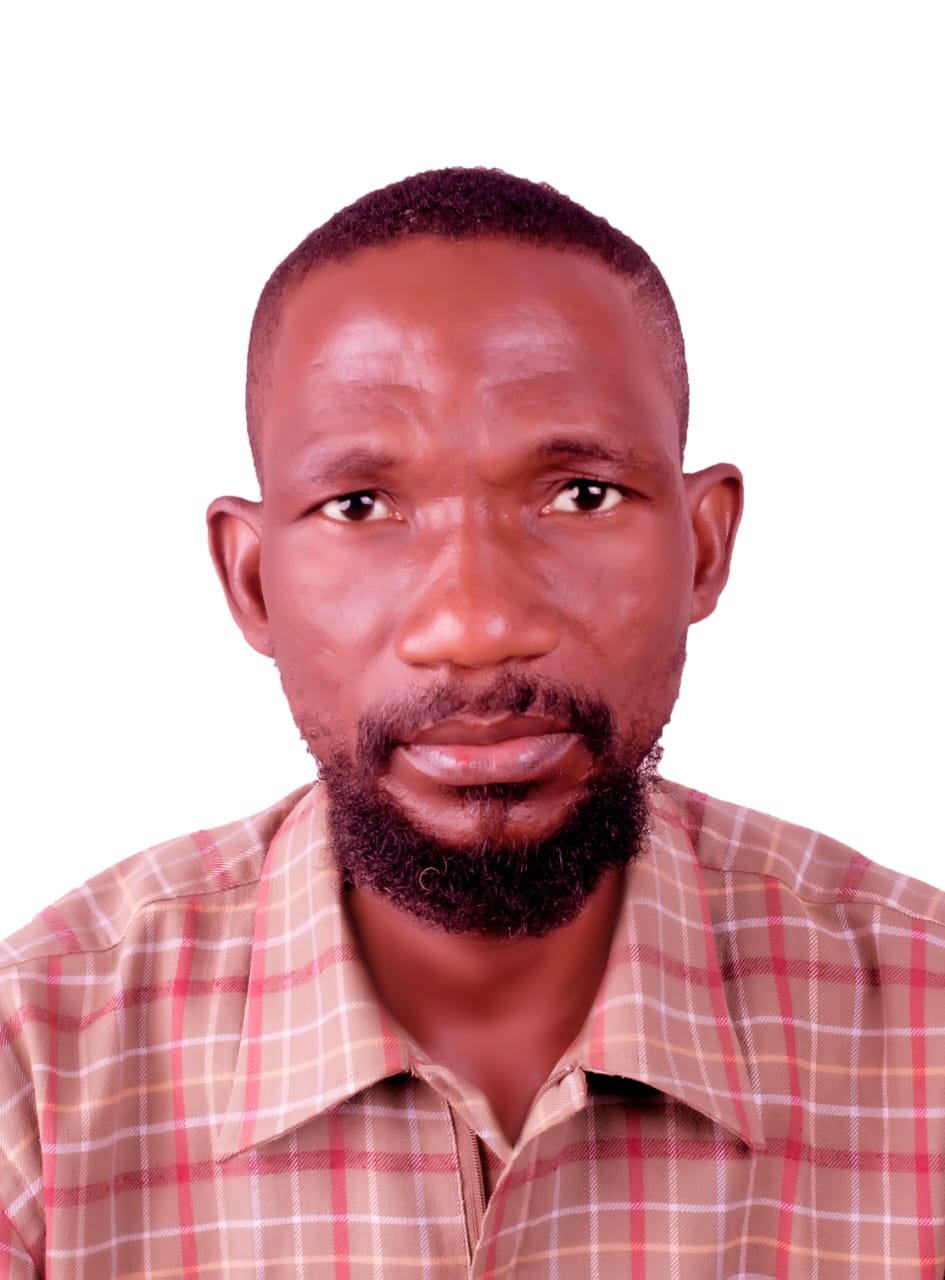
Reported by Afilawos Magana Sur, investigative Journalist at Sele Media Africa.
Nigeria’s Chief of Army Staff, Taoreed Lagbaja, has directed the Nigerian Army’s special operations units to escalate coordinated offensives against terrorist groups across the country, underscoring the need for precision, intelligence-driven strikes, and strict adherence to professional military conduct. The directive comes amid ongoing security operations in Nigeria’s North-East and North-West regions, where armed insurgent groups—including factions linked to Boko Haram and the Islamic State West Africa Province—continue to launch attacks on military formations and civilian communities. Precision, intelligence and civilian protection according to statements from the Nigerian Army, the Chief of Army Staff emphasized the deployment of special forces in high-risk theatres to dismantle terrorist enclaves, disrupt supply routes, and neutralize key insurgent leaders. He reiterated the importance of actionable intelligence, inter-agency coordination, and the protection of civilian populations during combat operations. Security analysts note that Nigeria’s counterinsurgency strategy has increasingly shifted toward targeted raids, air-ground coordination, and surveillance-backed missions aimed at reducing collateral damage while maintaining operational momentum. Sustained Counterterrorism pressure Nigeria has battled insurgency for over a decade, with the conflict centered primarily in Borno, Yobe, and Adamawa states. Military offensives in recent years have forced insurgents from major urban centers into forested and border regions, though sporadic attacks and ambushes persist. The renewed push by the Army leadership signals a continuation of sustained counterterrorism operations under broader national security reforms. It also reflects ongoing efforts to restore stability, protect critical infrastructure, and enable the safe return of displaced communities. Regional and continental implications Nigeria’s security landscape has significant implications for West Africa, particularly within the Lake Chad Basin, where cross-border insurgent activity has challenged regional stability. Multinational cooperation, including intelligence-sharing and joint task force operations among neighboring countries, remains central to curbing extremist expansion. International media outlets including Reuters, BBC News, and Al Jazeera have consistently reported on Nigeria’s evolving counterterrorism operations, highlighting both military gains and persistent security challenges. Balancing force and accountability human rights organizations have repeatedly called for transparency and accountability in counterinsurgency campaigns. In response, Nigerian military authorities maintain that operational directives stress discipline, lawful engagement, and respect for international humanitarian standards. As the Nigerian Army intensifies its offensive posture, the coming months will test the durability of recent security gains and the effectiveness of intelligence-led operations in weakening terrorist command structures. Sources: Reuters; BBC News; Al Jazeera; Nigerian Army official statements.


Afilawos Magana Sur is a journalist from Bogoro Local Government Area of Bauchi State, currently based in Bauchi metropolis. He is known for his commitment to accurate, ethical, and responsible journalism, with a focus on reporting issues of public relevance and community development.
About The Author

Share this:

Discover more from Sele Media Africa
Subscribe to get the latest posts sent to your email.