




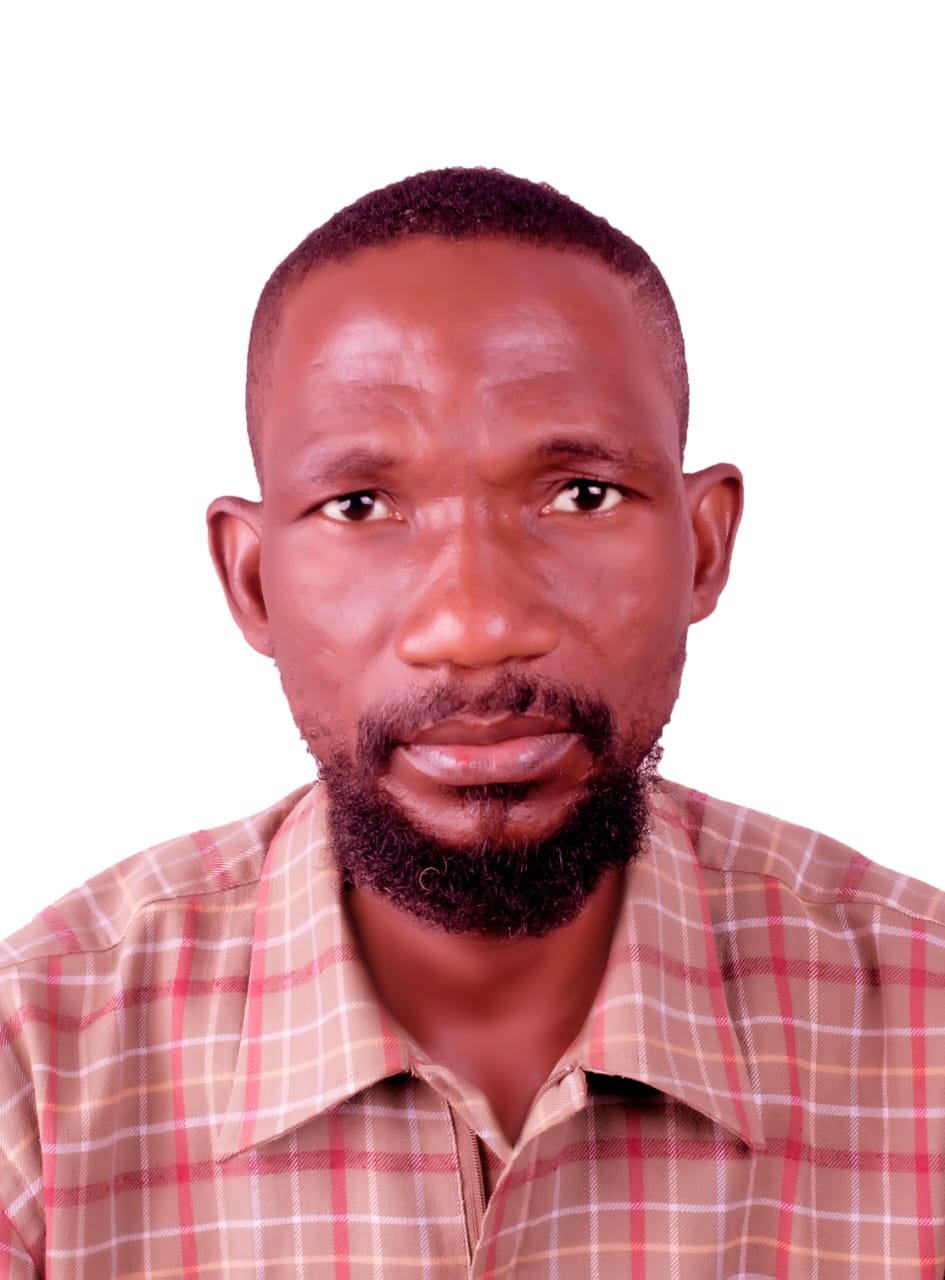
Reported by Afilawos Magana Sur, investigative Journalist at Sele Media Africa.
The security situation in Nigeria’s Middle Belt has once again drawn national and international concern following renewed attacks on rural communities during the holy month of Ramadan, intensifying long-standing tensions across the region. The Middle Belt—spanning parts of Benue State, Plateau State, Nasarawa State, and Southern Kaduna—has for over a decade been at the epicenter of complex violence involving armed groups, farmer–herder conflicts, banditry, and communal reprisals. The latest wave of attacks, reported by residents and local authorities, has reignited fears among predominantly agrarian communities who say they are increasingly vulnerable to armed raids. While some community leaders describe the violence in religious terms, security analysts caution that the crisis is rooted in a convergence of factors: competition over land and grazing routes, climate pressures, proliferation of small arms, criminal networks, and governance gaps. Experts warn that framing the conflict solely along religious lines risks inflaming tensions and obscuring the broader structural drivers of instability. Escalating insecurity amid fragile calm according to reports by outlets including BBC News, Reuters, Al Jazeera, and Premium Times, recurring attacks in central Nigeria have resulted in hundreds of deaths in recent years, with thousands displaced from ancestral lands. Villages are frequently razed, farmlands abandoned, and entire communities forced into internally displaced persons (IDP) camps. Security agencies have attributed many of the attacks to armed criminal groups and bandits operating across state lines, while some incidents are linked to long-standing disputes between farming communities—many of whom identify as Christian—and predominantly Muslim pastoral list groups. However, authorities maintain that criminality, rather than religion, is the primary driver. Nigeria’s federal government has repeatedly pledged stronger security interventions in the Middle Belt, deploying military task forces and launching community peace initiatives. Yet, residents argue that response times remain slow and accountability limited. Humanitarian and socioeconomic Fallout the humanitarian consequences are severe. Displacement has disrupted farming cycles in a region often described as Nigeria’s “food basket,” contributing to food insecurity and rising commodity prices nationwide. Aid agencies warn that prolonged instability threatens agricultural productivity and deepens poverty across rural communities.Civil society organizations and faith leaders—both Christian and Muslim—have called for de-escalation, interfaith dialogue, and urgent reforms addressing land management, grazing policies, and rural policing. Analysts stress that sustainable peace will require not only security operations but also inclusive governance, justice for victims, and credible reconciliation frameworks. A Call for responsible engagement as tensions rise, observers emphasize the need for measured rhetoric and national unity. Nigeria’s Middle Belt remains one of the country’s most culturally diverse regions, home to dozens of ethnic groups and faith communities with deep historical ties to the land.Security experts warn that inflammatory narratives—particularly during sensitive periods such as Ramadan—could exacerbate divisions and undermine fragile coexistence. They urge political, religious, and community leaders to promote dialogue and lawful civic engagement rather than confrontation.The path forward, they argue, lies in strengthening local conflict-resolution mechanisms, addressing arms proliferation, improving intelligence-sharing, and accelerating socioeconomic development across vulnerable communities. Sources BBC News;Reuters; Al Jazeera; Premium Times.


Afilawos Magana Sur is a journalist from Bogoro Local Government Area of Bauchi State, currently based in Bauchi metropolis. He is known for his commitment to accurate, ethical, and responsible journalism, with a focus on reporting issues of public relevance and community development.
About The Author

Share this:

Discover more from Sele Media Africa
Subscribe to get the latest posts sent to your email.