



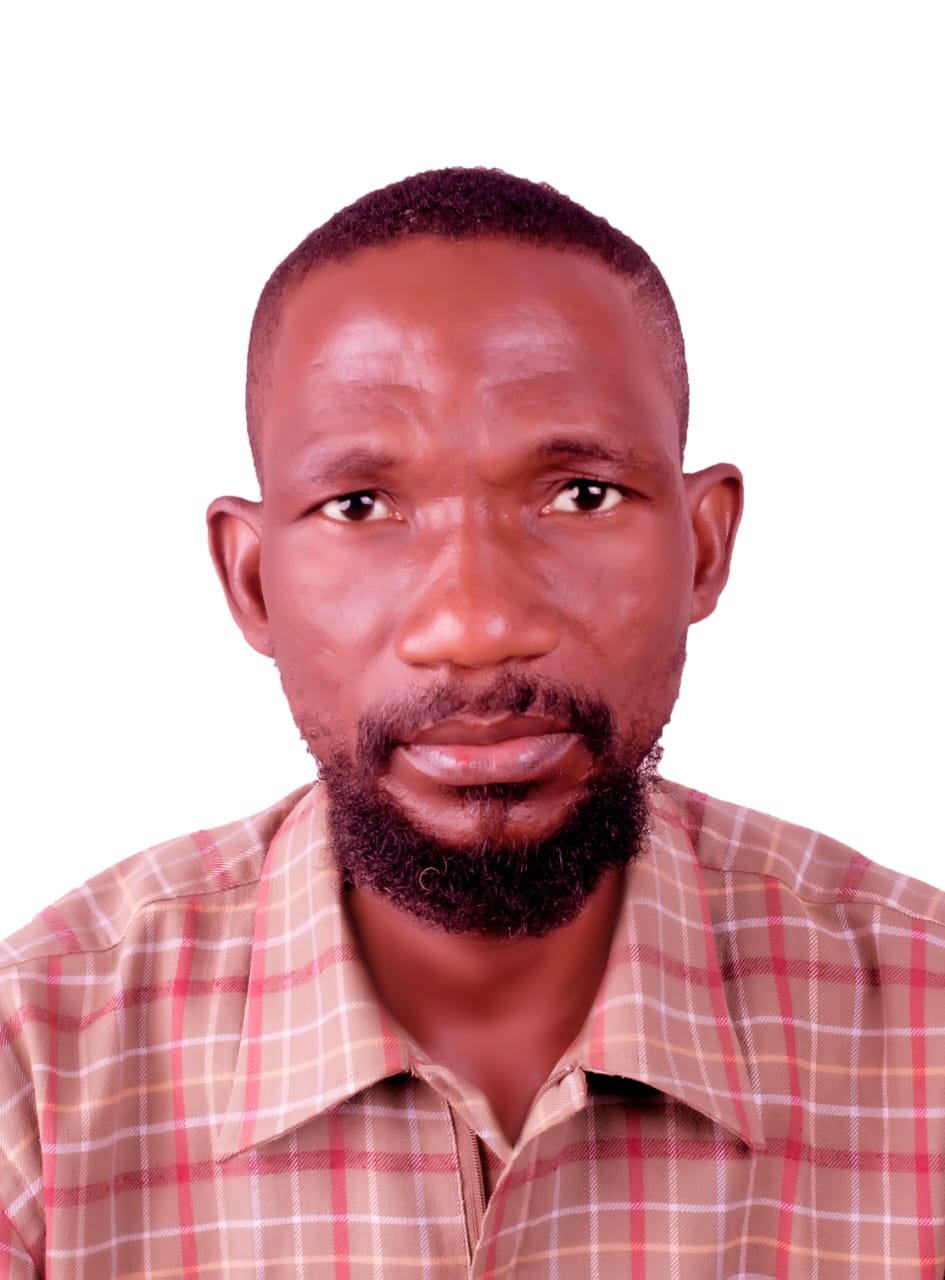
Reported by Afilawos Magana Sur, investigative Journalist at Sele Media Africa.
Fresh disclosures have revealed that insurgents linked to Boko Haram allegedly demanded a ransom nearly three times the €3 million reportedly paid for the release of 102 abducted Chibok schoolgirls, as part of failed negotiations to free Leah Sharibu, the Christian student held in captivity since 2018. The revelation was made by international human rights lawyer Emmanuel Ogebe, who stated that an unnamed non-governmental organization attempted to negotiate Sharibu’s freedom but was unable to meet what he described as an “excessive” financial demand. According to Ogebe, the collapse of talks was compounded by the subsequent deaths of the insurgent commanders involved in the negotiations, making further engagement uncertain unless new channels of communication are established with her current captors. Sharibu was among 110 schoolgirls abducted from Government Girls’ Science and Technical College in Dapchi, Yobe State, in February 2018. While most of the girls were later released, Sharibu was reportedly held back after refusing to renounce her Christian faith — a claim that drew widespread national and international condemnation. Her prolonged captivity has become one of the most emblematic cases of Nigeria’s decade-long insurgency crisis in the North-East, raising persistent questions about state capacity, negotiation frameworks, and the protection of vulnerable communities. The €3 million ransom figure referenced by Ogebe aligns with widespread international reporting on negotiations that secured the 2017 release of 82 Chibok schoolgirls abducted in 2014 from Government Secondary School in Chibok, Borno State. Outlets including BBC News, Reuters, and CNN have previously detailed the complex mediation efforts involving the Nigerian government, international intermediaries, and reported ransom payments in exchange for hostages. Sharibu, now 22, has spent eight years in captivity. Advocacy groups and family representatives allege she has endured forced marriage, multiple childbirths, and sustained hardship under insurgent control. Independent verification of her current condition remains difficult due to restricted access to insurgent-held territories and limited direct communication. Her case continues to generate domestic and international advocacy campaigns, with civil society organizations urging the Federal Government of Nigeria to intensify diplomatic, intelligence, and security efforts aimed at securing her release. Rights groups argue that Sharibu’s continued detention underscores broader gaps in counter-insurgency strategy, hostage recovery policy, and post-abduction response mechanisms. Nigeria’s insurgency, primarily driven by Boko Haram and splinter factions including the Islamic State West Africa Province (ISWAP), has claimed tens of thousands of lives and displaced millions since 2009, according to humanitarian agencies. Abductions — particularly of schoolchildren — remain a recurring tactic used by armed groups to exert leverage, generate funding, and spread fear. As renewed attention focuses on Sharibu’s case, stakeholders stress that any future negotiations must balance humanitarian urgency with long-term security considerations to avoid incentivizing further kidnappings. For now, Leah Sharibu’s fate remains uncertain — a stark reminder of the human cost of protracted insurgency in West Africa and the enduring demand for justice, accountability, and decisive state action. Sources: BBC NewsReutersCNN.


Afilawos Magana Sur is a journalist from Bogoro Local Government Area of Bauchi State, currently based in Bauchi metropolis. He is known for his commitment to accurate, ethical, and responsible journalism, with a focus on reporting issues of public relevance and community development.
About The Author

Share this:

Discover more from Sele Media Africa
Subscribe to get the latest posts sent to your email.