
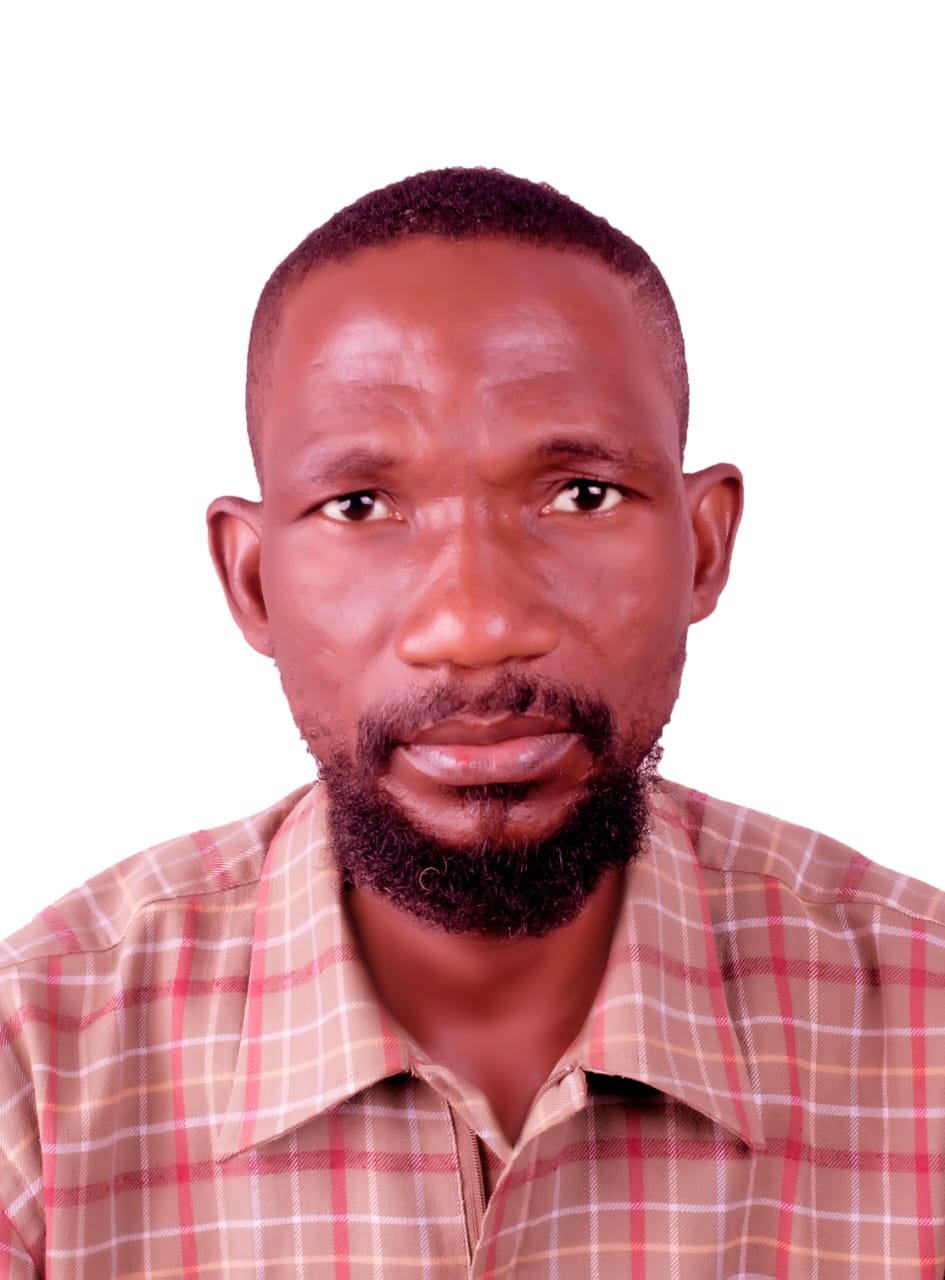
Reported by Afilawos Magana Sur, Managing Editor | Journalist at Sele Media Africa.
A fatal roadside explosion in Nigeria’s North-Central region has renewed concerns over the spread of improvised explosive devices (IEDs) beyond traditional conflict zones, after one person was killed and a nursing mother seriously injured in Kwara State. Police authorities confirmed that the incident occurred along a route within the Kaiama axis, an area that has recently experienced growing security challenges. According to preliminary findings, the explosion involved a commercial vehicle that unknowingly drove over a suspected IED concealed along the roadway. The driver of the vehicle died instantly from the blast, while a female passenger—identified as a nursing mother traveling with her infant—sustained significant injuries. Authorities clarified that the infant survived the explosion without harm, dispelling earlier reports suggesting multiple casualties. Security officials say the device is believed to have been deliberately planted, indicating a troubling escalation in tactics typically associated with insurgent activities in other parts of the country. While no group has claimed responsibility, the use of such explosives raises concerns about the potential migration of asymmetric warfare techniques into relatively less volatile regions. The Nigeria Police Force has launched a full-scale investigation into the incident, with bomb disposal units and forensic teams deployed to the scene. Police spokespersons emphasized that efforts are underway to identify those responsible and to determine whether the attack is linked to broader criminal or insurgent networks. “The command is taking this development seriously. Surveillance and intelligence operations have been intensified across vulnerable corridors,” a police official said, noting that security patrols have been reinforced in and around affected communities. The Kaiama axis, located in northern Kwara, shares proximity with forested regions that stretch into neighboring states and have, in recent years, served as corridors for armed groups, including bandits and other non-state actors. Analysts warn that such areas—often characterized by difficult terrain and limited state presence—can become fertile ground for the deployment of roadside explosives. This latest incident underscores an evolving security landscape in Nigeria, where threats once concentrated in the North-East are increasingly manifesting in other geopolitical zones. The use of IEDs, long associated with extremist groups such as Boko Haram and its affiliates, signals a shift that could complicate national counterterrorism efforts.
Residents in affected communities have expressed heightened anxiety, calling for stronger security presence and proactive intelligence gathering to prevent further attacks. Local leaders have also urged the federal and state governments to address underlying vulnerabilities, including poor road surveillance and limited rapid-response infrastructure.
Security experts note that the incident in Kwara aligns with a broader pattern of decentralised threats, where criminal networks adopt sophisticated methods to evade detection and maximize impact. This trend, they say, demands a coordinated response that integrates local intelligence, community engagement, and advanced counter-IED capabilities. As investigations continue, authorities have appealed to the public to remain vigilant and report any suspicious activities or objects along roadways and public spaces. The police have also reassured citizens of their commitment to safeguarding lives and restoring confidence in affected areas. While the immediate toll of the explosion remains limited to one fatality and one injury, its implications are far-reaching—highlighting the urgent need for adaptive security strategies in Nigeria’s increasingly complex threat environment. Sources:
Punch Newspapers; Premium Times; Channels Television.
Author


Afilawos Magana Sur is a journalist from Bogoro Local Government Area of Bauchi State, currently based in Bauchi metropolis. He is known for his commitment to accurate, ethical, and responsible journalism, with a focus on reporting issues of public relevance and community development.
Share this:

Discover more from Sele Media Africa
Subscribe to get the latest posts sent to your email.