


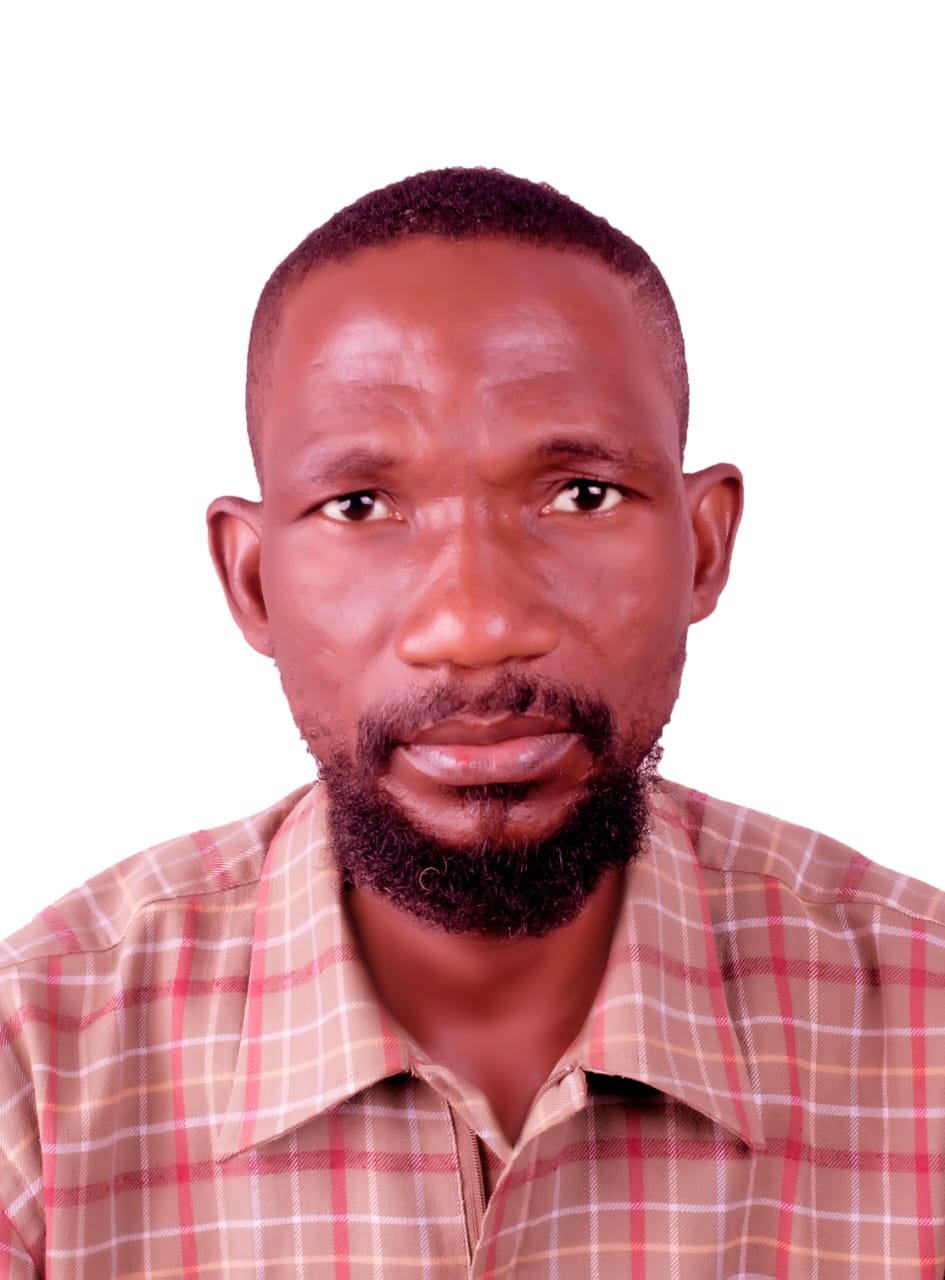
Reported by Afilawos Magana Sur, investigative Journalist at Sele Media Africa.
Fresh explosions shook Iran’s capital, Tehran, as joint military strikes by Israel and the United States targeted what officials described as strategic Iranian positions, dramatically escalating already volatile tensions in the Middle East. Plumes of smoke were seen rising above parts of the city as residents reported loud blasts and anti-aircraft activity. Images circulating on international news wires showed birds scattering across the skyline as the explosions reverberated through densely populated districts, underscoring the proximity of military action to civilian areas. Israeli and U.S. authorities have stated that the coordinated strikes were aimed at specific military infrastructure allegedly linked to Iran’s regional operations. While neither government immediately released full operational details, officials framed the action as a preventive measure designed to counter what they described as imminent security threats.Iranian state media confirmed that explosions occurred in Tehran but characterized the strikes as acts of aggression, vowing retaliation. Iranian officials have historically maintained that their military posture is defensive and intended to safeguard national sovereignty. Regional and global implications the strikes mark a significant expansion of direct military engagement involving Israel, the United States, and Iran — three actors whose shadow conflict has largely unfolded through proxies and cyber operations in recent years. Analysts warn that overt attacks on Tehran could trigger broader regional instability, potentially drawing in allied militias and reshaping security dynamics across the Gulf and Levant. The Middle East has witnessed heightened friction in recent months, with sporadic cross-border exchanges, maritime confrontations, and escalating rhetoric between Tehran and Jerusalem. Washington’s involvement signals deeper geopolitical stakes, particularly as global powers monitor energy markets and regional alliances.International observers, including diplomats at the United Nations, have called for restraint amid fears that continued escalation could undermine fragile diplomatic efforts and disrupt global economic stability. Civilian concerns and information gaps there were no immediate confirmed casualty figures at the time of publication. Access to independent verification remains limited due to restrictions on foreign journalists operating inside Iran, complicating efforts to independently assess the full impact of the strikes. Human rights organizations have reiterated the need for compliance with international humanitarian law, emphasizing the protection of civilians and critical infrastructure in densely populated urban centers such as Tehran. Broader strategic context Israel has repeatedly expressed concern over Iran’s military capabilities and regional influence, particularly regarding missile development and alleged support for armed groups across the Middle East. The United States has similarly cited national security considerations in its posture toward Tehran. For African nations, the escalation carries indirect but tangible implications — from oil price volatility affecting import-dependent economies to shifting global security alignments that may influence diplomatic and trade relations. As a continent increasingly integrated into global supply chains and energy markets, Africa’s strategic interests remain closely tied to stability in the Middle East.As the situation develops, global markets and diplomatic channels remain on alert, with analysts closely monitoring Tehran’s response and the possibility of further military action. Sources: Reuters; BBC News; Al Jazeera; The Associated Press; CNN.


Afilawos Magana Sur is a journalist from Bogoro Local Government Area of Bauchi State, currently based in Bauchi metropolis. He is known for his commitment to accurate, ethical, and responsible journalism, with a focus on reporting issues of public relevance and community development.
About The Author

Share this:

Discover more from Sele Media Africa
Subscribe to get the latest posts sent to your email.