




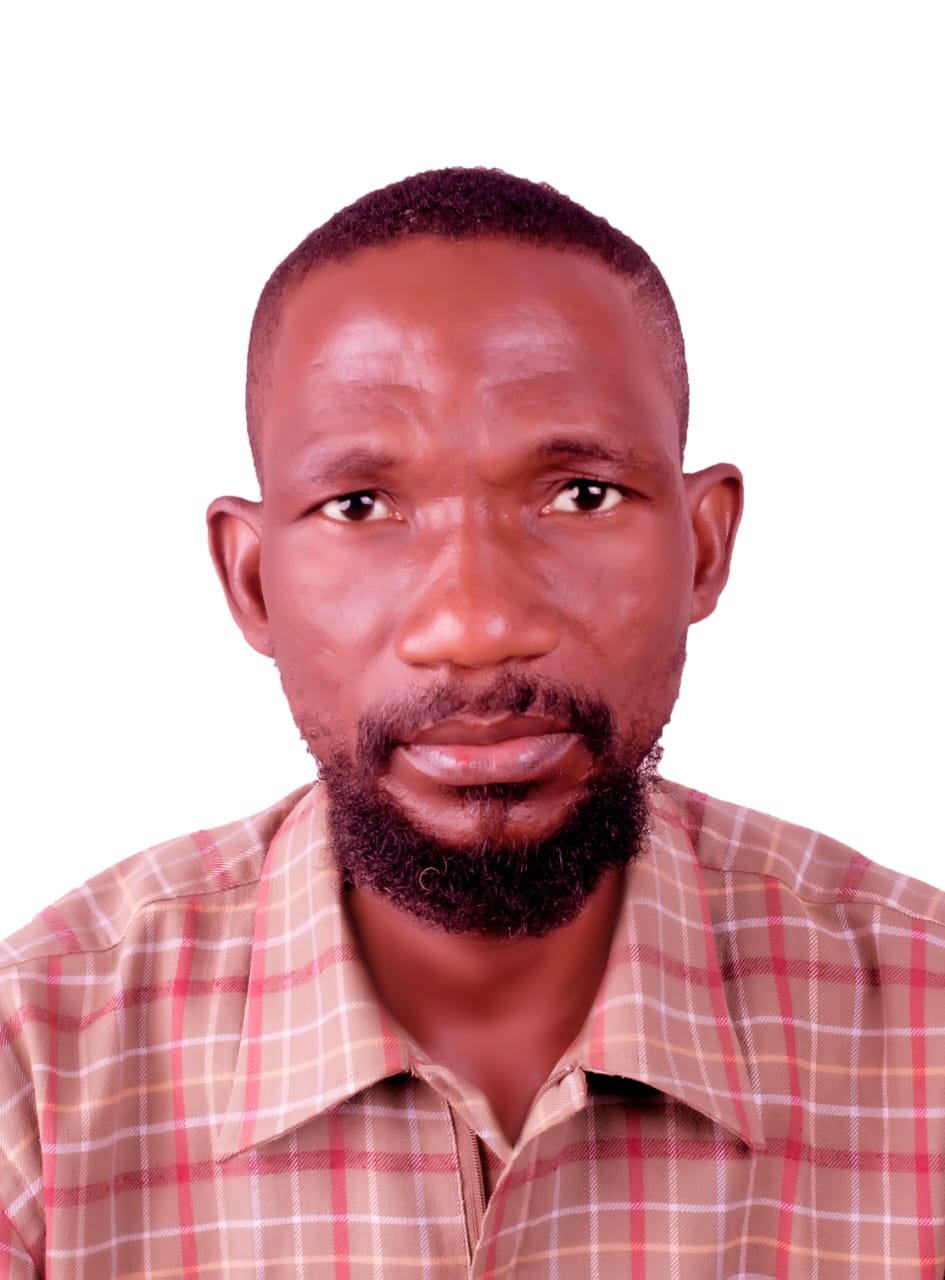
Reported by Afilawos Magana Sur, investigative Journalist at Sele Media Africa.
Smoke billowed over southern Beirut on Thursday as Israeli forces launched a fresh wave of airstrikes targeting the suburb of Dahiyeh, a densely populated district widely regarded as a stronghold of the militant group Hezbollah. Residents across the Lebanese capital reported hearing multiple explosions as Israeli military operations continued into the evening, with plumes of smoke rising above damaged buildings in the southern outskirts of the city. The attacks mark one of the most significant escalations in hostilities between Israel Defense Forces and the Iran-backed group Hezbollah in recent months. According to Lebanon’s Ministry of Public Health, at least 123 people have been killed and 683 others wounded since the strikes intensified earlier this week. The casualty figures include victims from several regions across Lebanon, including the capital Beirut and surrounding districts. Jagonews24 the bombardment has also triggered a massive humanitarian crisis, with aid agencies warning that large-scale displacement is unfolding across the country. The International Committee of the Red Cross (ICRC) said hundreds of thousands of civilians have been forced to flee their homes amid the expanding conflict. “Across Lebanon, hundreds of thousands of people have had to flee their homes,” said Hachem Osseiran, spokesperson for the ICRC in the Middle East. Osseiran noted that widespread evacuation warnings and ongoing airstrikes have created panic among residents, forcing many families to leave their homes with limited belongings and little certainty about where they will find shelter. ArabtimesThe southern suburb of Dahiyeh — frequently targeted during periods of heightened tensions — has been among the hardest-hit areas. Israeli authorities have said their strikes are aimed at Hezbollah military infrastructure, including command centres and drone storage facilities allegedly used to launch attacks against Israel. BSS the Israeli military has not provided immediate detailed assessments of civilian casualties in the latest wave of strikes. Meanwhile, humanitarian organizations and United Nations officials have expressed growing concern over the humanitarian consequences of the conflict. Thousands of families have reportedly sought refuge in temporary shelters, public buildings, or informal camps as displacement spreads across Beirut and southern Lebanon. Reuters analysts warn that the escalating hostilities could further destabilize Lebanon, a country already grappling with severe economic challenges and political fragility. Regional tensions have intensified amid the broader confrontation involving Israel, Hezbollah, and allied groups across the Middle East. As international calls for restraint grow louder, humanitarian agencies continue to urge all parties to respect international humanitarian law and prioritize the protection of civilians. Sources: Reuters; Al Jazeera; The Guardian; Euronews; AFP; Associated Press.

Afilawos Magana Sur is a journalist from Bogoro Local Government Area of Bauchi State, currently based in Bauchi metropolis. He is known for his commitment to accurate, ethical, and responsible journalism, with a focus on reporting issues of public relevance and community development.
About The Author

Share this:
Discover more from Sele Media Africa
Subscribe to get the latest posts sent to your email.