


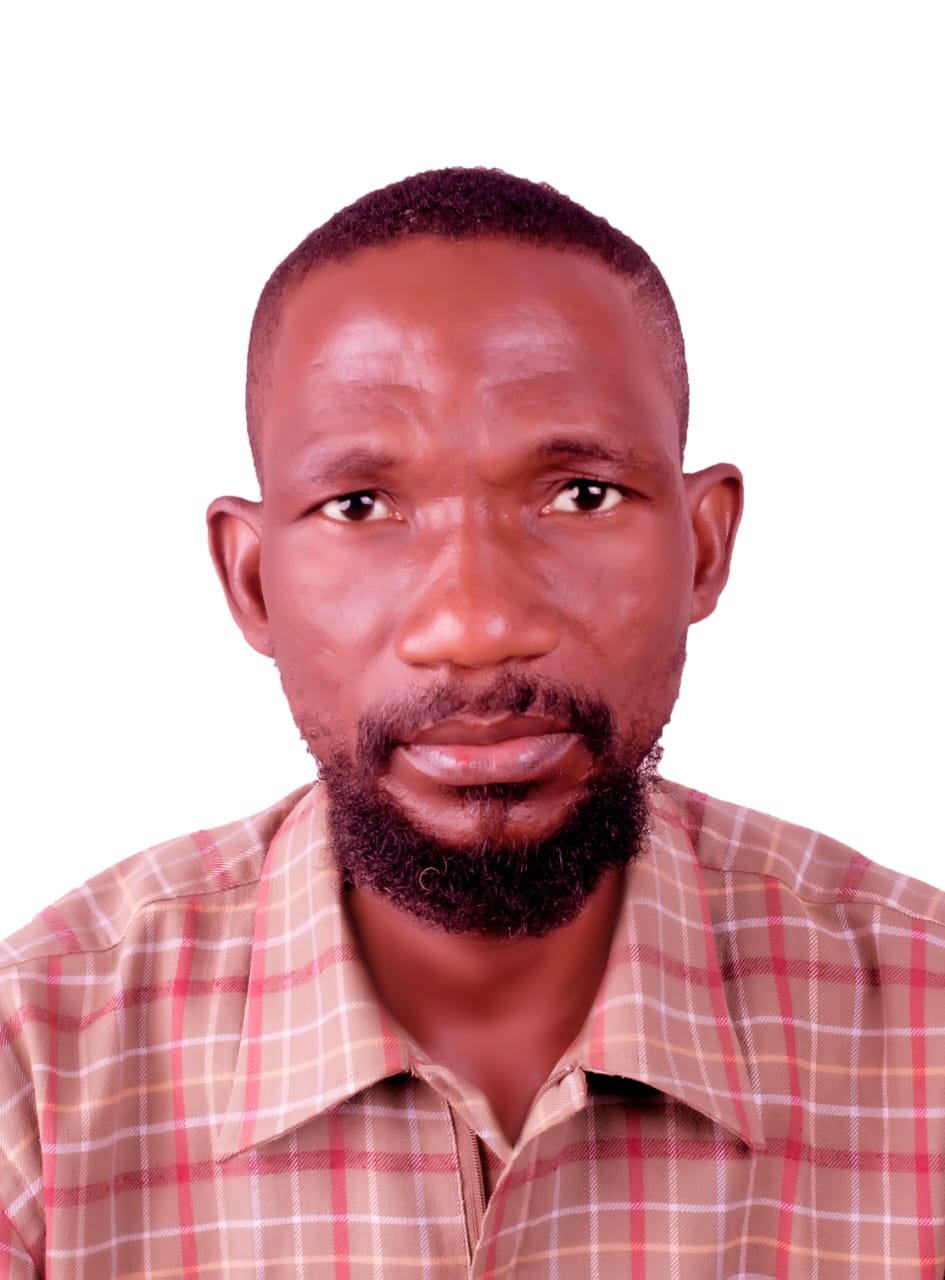
Reported by Afilawos Magana Sur, investigative Journalist at Sele Media Africa.
A leading international Christian advocacy organization, the Christian Emergency Alliance (CEA), has raised concerns that protests in support of the Iranian government could escalate into violence against local Christian communities in Nigeria and other countries.The warning follows demonstrations in several parts of the world triggered by recent U.S. and Israeli military actions targeting sites in Iran. According to CEA, such protests — though political in origin — have, in previous instances, resulted in attacks on vulnerable religious minorities. “We’ve received alerts from nervous Christians in Nigeria, Pakistan and other countries about growing protests in support of the Iranian regime,” the group said in a public statement. “In the past, these types of protests have at times led to the targeting of innocent local Christians. Pray for the Christians of Iran, and also those in unstable regions. ”Rising tensions following US-Israel Strikes on Iran the latest wave of global demonstrations was sparked by joint military strikes reportedly carried out by the United States and Israel against Iranian-linked targets. International media outlets, including Reuters and BBC News, have reported on heightened tensions between Washington, Tel Aviv, and Tehran amid an increasingly volatile regional security climate. The strikes have intensified geopolitical friction involving the Islamic Republic of Iran, which has long faced sanctions and diplomatic isolation from Western governments. In response, solidarity protests have emerged in parts of Africa and Asia, where Iran maintains diplomatic, ideological, or religious sympathies among certain groups. Nigeria’s fragile religious landscape Nigeria, Africa’s most populous nation, remains particularly sensitive to religious tensions. With a near-even split between Christian and Muslim populations, the country has experienced periodic sectarian violence, often fueled by political, ethnic, and regional grievances.Security analysts warn that international conflicts can sometimes be localized in fragile environments, especially where misinformation spreads quickly via social media platforms. Although there is currently no confirmed widespread attack linked to the recent protests, the CEA’s warning reflects broader concerns about how global events can inflame domestic fault lines. Pakistan was also mentioned in the advisory, a country that has previously witnessed religiously motivated violence during periods of geopolitical unrest in the Middle East. Calls for vigilance, not panic the Christian Emergency Alliance did not cite specific intelligence indicating imminent attacks but emphasized preventive awareness. The organization urged Christian communities in unstable regions to remain vigilant while encouraging peaceful coexistence. Religious leaders and civil society actors across Nigeria have, in recent years, called for restraint during periods of international tension, stressing that global political disputes should not be imported into local communities. While protests remain a legitimate form of political expression, security observers caution that authorities must monitor demonstrations closely to prevent infiltration by extremist elements seeking to exploit unrest. Broader implications for Africa for African nations navigating complex diplomatic relationships with both Western powers and Middle Eastern states, the situation underscores the delicate balance between foreign policy alignment and domestic stability. Analysts note that the continent’s growing geopolitical significance means international conflicts increasingly carry local ripple effects. As tensions between Tehran, Washington, and Tel Aviv evolve, governments in countries with diverse religious populations may need to reinforce interfaith dialogue and strengthen early warning systems to prevent escalation. For now, the CEA’s statement serves as a precautionary alert rather than confirmation of violence — but in regions with histories of sectarian strain, early warnings are often treated with seriousness. Sources: Reuters; BBC News


Afilawos Magana Sur is a journalist from Bogoro Local Government Area of Bauchi State, currently based in Bauchi metropolis. He is known for his commitment to accurate, ethical, and responsible journalism, with a focus on reporting issues of public relevance and community development.
About The Author

Share this:

Discover more from Sele Media Africa
Subscribe to get the latest posts sent to your email.