
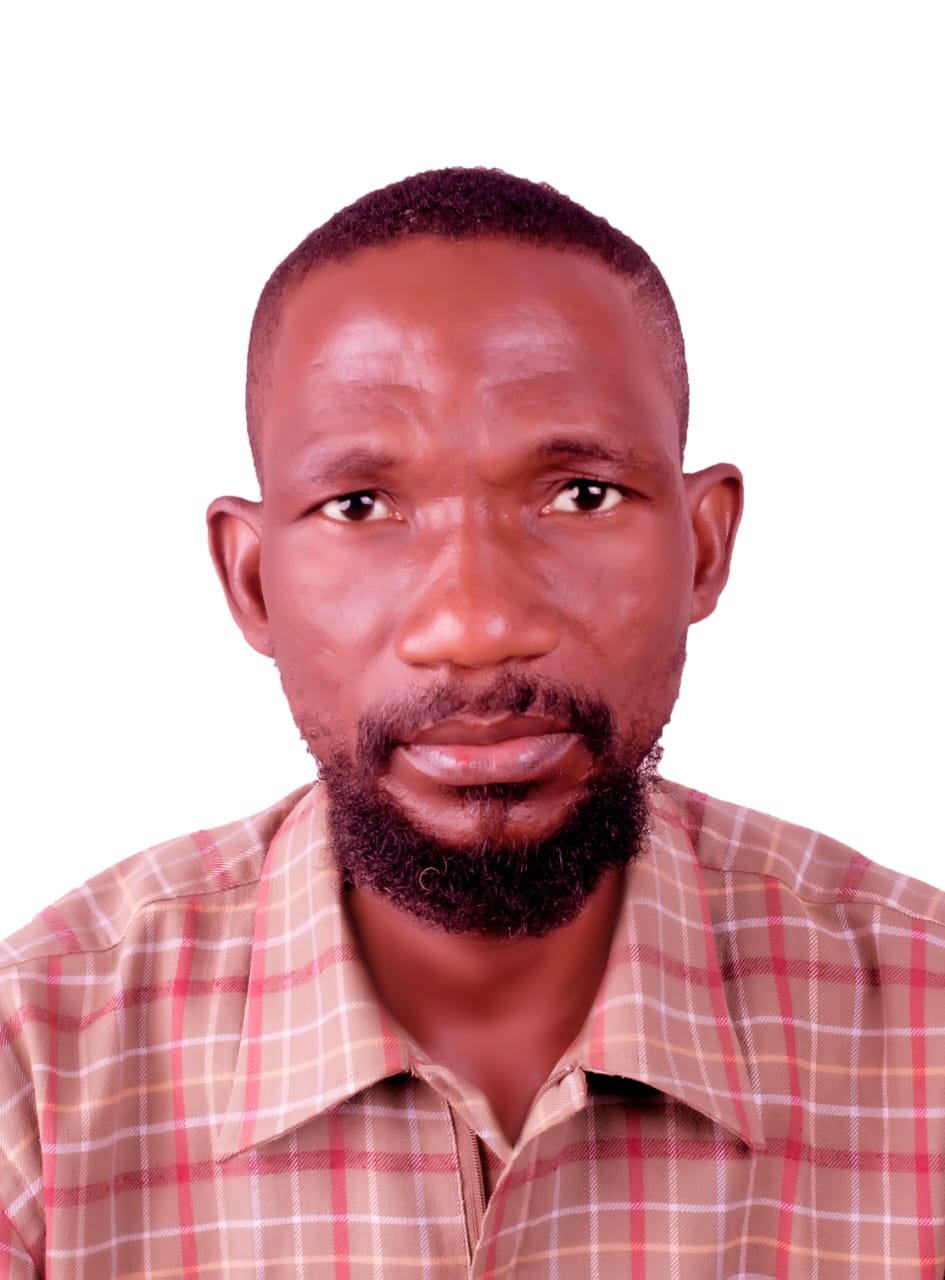
Reported by Afilawos Magana Sur, Managing Editor | Journalist at Sele Media Africa.
Conflicting claims and heightened rhetoric have emerged following nearly three weeks of intensified hostilities involving Israel, the United States, and Iran, with unverified reports alleging significant losses within Iran’s top political and military leadership. Statements attributed to Israeli Prime Minister Benjamin Netanyahu described Iran as “being decimated,” while official Israeli military communication channels, including a Persian-language social media account, characterized Iran’s leadership structure as a “house of cards that is collapsing.” These assertions come amid a surge in coordinated airstrikes reportedly targeting strategic military and government-linked installations across Iran.
However, one of the most consequential claims circulating in parts of the international media and online spaces—the reported death of Iran’s Supreme Leader Ali Khamenei—remains unconfirmed by credible, independent sources as of press time. Iranian state media has not corroborated such reports, and no official statement has been issued acknowledging the death or incapacitation of the country’s highest-ranking authority.
Fog of war and information integrity in modern warfare, particularly involving state actors with advanced information operations capabilities, narratives can evolve rapidly, often outpacing verified facts. Analysts warn that both disinformation and psychological warfare play central roles in shaping public perception during high-stakes conflicts. While Israeli officials maintain that their military campaign has successfully degraded key elements of Iran’s command-and-control infrastructure, independent verification of specific high-level casualties remains limited. Western intelligence agencies and international monitoring bodies have yet to release comprehensive assessments confirming the elimination of senior Iranian leadership figures. The absence of confirmation from neutral observers raises critical questions about the accuracy of claims suggesting a systemic collapse of Iran’s ruling elite. Experts in Middle Eastern geopolitics caution that such assertions, if unverified, may be part of broader strategic messaging aimed at undermining morale within Iran and projecting strength to domestic and international audiences.
Strategic implications for the region if substantiated, the loss of top-tier leadership within Iran would represent a seismic shift in the Middle East’s geopolitical balance, potentially triggering internal instability and recalibrating power dynamics across the region. Iran plays a central role in multiple regional theatres, including Iraq, Syria, Lebanon, and Yemen, largely through allied non-state actors and proxy networks. However, the Islamic Republic has historically demonstrated institutional resilience, with layered leadership structures designed to ensure continuity even in the event of targeted assassinations or external attacks. This makes the narrative of a complete leadership collapse less straightforward than initial claims may suggest. International response and escalation risks global reactions to the escalating conflict have been cautious but increasingly urgent. Diplomatic channels remain active, with calls for de-escalation coming from major powers and international organizations. Concerns are mounting over the potential for a broader regional war, particularly if retaliatory actions intensify. The United States has not publicly detailed its operational role in the reported strikes beyond general statements on regional security cooperation with Israel. Meanwhile, Iran has vowed to respond to what it describes as acts of aggression, though the scale and timing of any retaliation remain unclear.
The Need for Verified Reporting
For journalists and media organizations, especially those committed to credible and independent reporting like Sele Media Africa, the current situation underscores the importance of verification, context, and restraint. In an era of rapid information dissemination, distinguishing between confirmed facts and strategic narratives is essential to maintaining public trust. As developments continue to unfold, Sele Media Africa will monitor verified updates from authoritative sources and provide balanced, fact-checked reporting that prioritizes accuracy over speculation.
Sources: Reuters; Al Jazeera
BBC News; The New York Times
Associated Press (AP).
Author


Afilawos Magana Sur is a journalist from Bogoro Local Government Area of Bauchi State, currently based in Bauchi metropolis. He is known for his commitment to accurate, ethical, and responsible journalism, with a focus on reporting issues of public relevance and community development.
Share this:

Discover more from Sele Media Africa
Subscribe to get the latest posts sent to your email.