


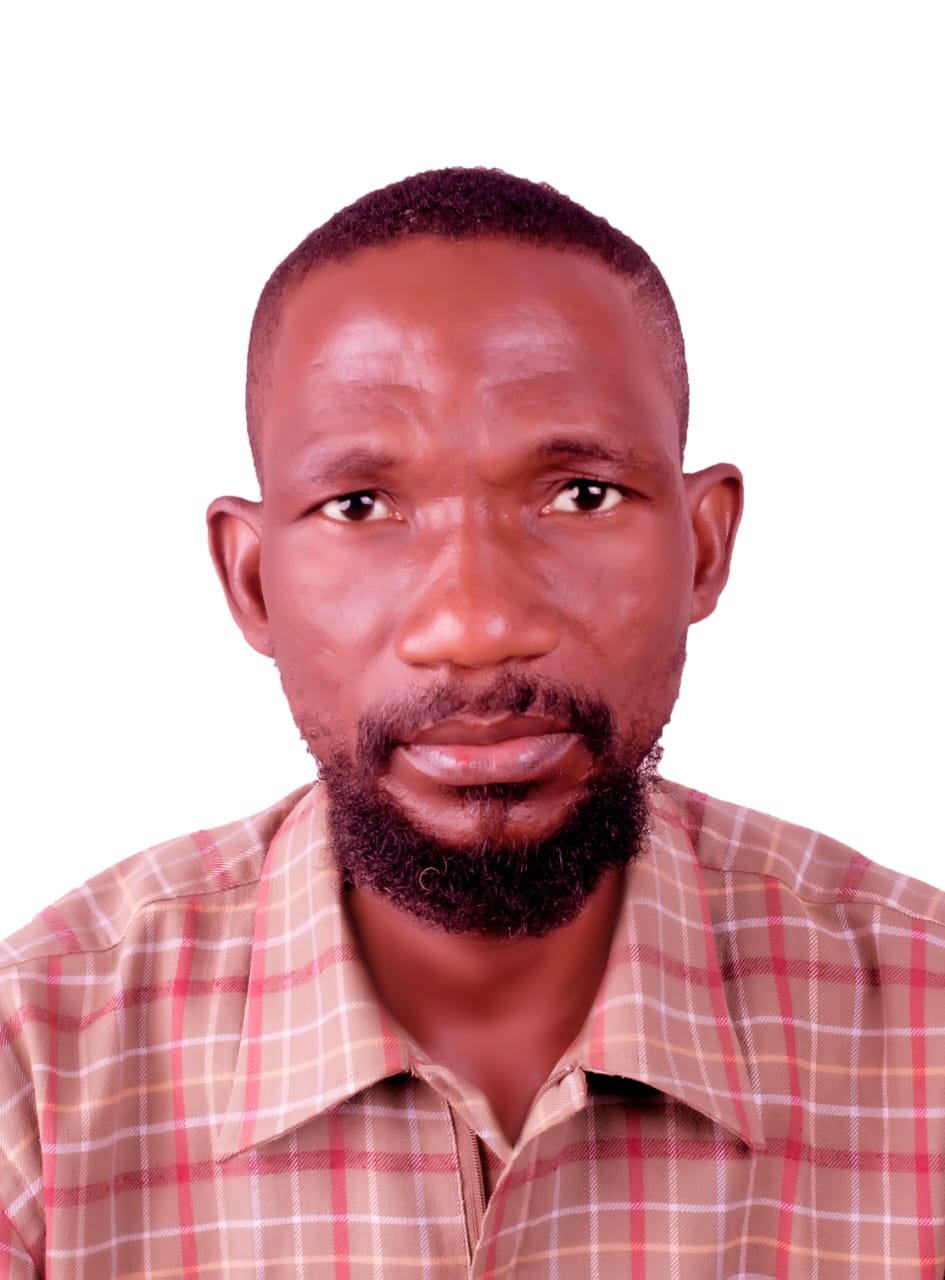
Reported by Afilawos Magana Sur, Managing Editor | Investigative Journalist at Sele Media Africa.
Iran’s powerful clerical body, the Assembly of Experts, has reportedly selected Mojtaba Khamenei as the new Supreme Leader of the Islamic Republic, succeeding his father, Ayatollah Ali Khamenei, who was killed in a recent airstrike amid escalating regional conflict. Reuters +1 The announcement marks a historic and controversial leadership transition in Iran, coming more than three decades after Ali Khamenei assumed the country’s highest political and religious office in 1989. According to state media reports cited by international outlets, the decision was reached after consultations among members of the 88-member Assembly of Experts, the body constitutionally responsible for appointing the Supreme Leader. Wikipedia +1 Leadership transition amid escalating conflict Ali Khamenei, Iran’s longest-serving leader, was reportedly killed in late February during coordinated airstrikes linked to the ongoing confrontation involving Iran, the United States, and Israel. The attack also reportedly destroyed key leadership facilities in Tehran and intensified the geopolitical crisis unfolding across the Middle East. Wikipedia +1 Following his death, Iranian authorities initiated a rapid succession process to maintain continuity within the Islamic Republic’s political system. The Assembly of Experts ultimately selected Mojtaba Khamenei, a cleric long considered influential within Iran’s political and security establishment, particularly through his connections with the Islamic Revolutionary Guard Corps (IRGC). Reuters a controversial succession Mojtaba Khamenei’s appointment is expected to generate debate both within Iran and internationally. While the country’s constitution empowers the Assembly of Experts to appoint the Supreme Leader, critics have long warned that a transition from father to son could be perceived as contradicting the Islamic Republic’s ideological opposition to hereditary rule. Reuters nonetheless, analysts note that Mojtaba has been an influential figure behind the scenes for years, reportedly playing roles in political coordination and maintaining ties with conservative factions within Iran’s clerical and security institutions. Regional and global implications the leadership change occurs at a moment of heightened military confrontation in the Middle East. Western governments and regional actors are closely monitoring developments in Tehran, with the new leadership expected to shape Iran’s strategic posture, including its nuclear policy, regional alliances, and military response to ongoing hostilities. Observers say the transition could either consolidate Iran’s hardline political structure or trigger internal debate within the country’s complex power hierarchy. For Africa and the broader Global South, the development underscores how geopolitical shifts in the Middle East can reverberate through energy markets, diplomatic alignments, and global security dynamics.Sources Reuters; TRT World; Al Jazeera; Hindustan Times Dawn.


Afilawos Magana Sur is a journalist from Bogoro Local Government Area of Bauchi State, currently based in Bauchi metropolis. He is known for his commitment to accurate, ethical, and responsible journalism, with a focus on reporting issues of public relevance and community development.
Share this:

Discover more from Sele Media Africa
Subscribe to get the latest posts sent to your email.