
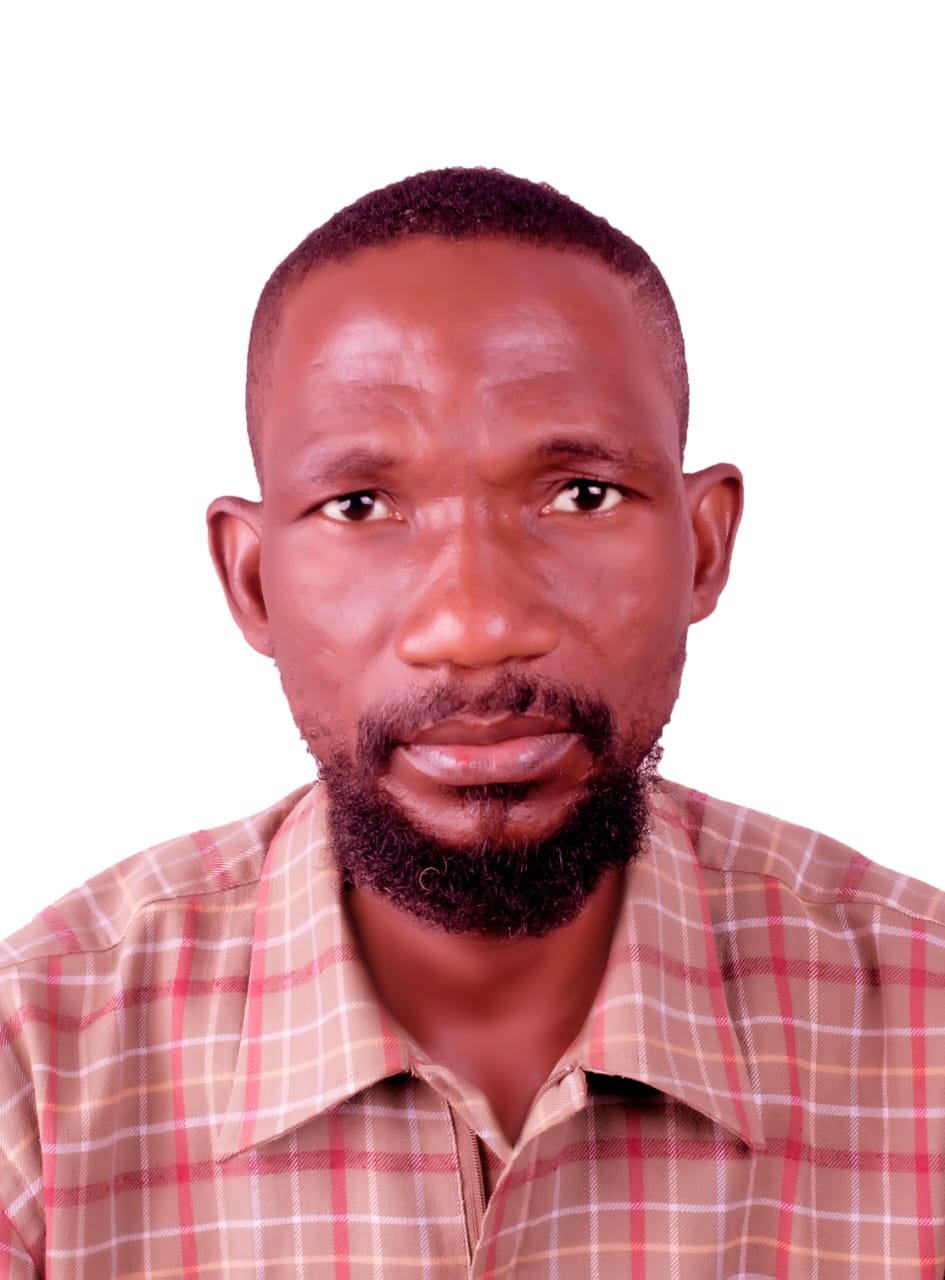
Reported by Afilawos Magana Sur, Managing Editor | Journalist at Sele Media Africa.
Fresh concerns over human rights in Iran have emerged following reports that a 19-year-old wrestler, Saleh Mohammadi, has been executed after allegedly participating in anti-government protests. The development, which is yet to be independently verified by all international monitors, has sparked outrage across global civil society, reigniting debates over the Iranian government’s handling of dissent and the use of capital punishment. According to multiple reports circulating in international media and activist networks, Mohammadi—a young athlete described as a rising figure in local wrestling circles—was detained during a wave of protests that have periodically shaken Iran in recent years. These demonstrations have often been fueled by public dissatisfaction over economic conditions, governance issues, and restrictions on civil liberties. Human rights organizations allege that Mohammadi was subjected to a judicial process lacking transparency, with limited access to legal representation and due process. While Iranian authorities have not consistently provided detailed public accounts of such cases, critics argue that the pattern reflects broader systemic concerns within the country’s legal and political framework. The reported execution has drawn comparisons to previous high-profile cases involving athletes in Iran, including that of Navid Afkari, whose death in 2020 triggered widespread international condemnation. Observers note that athletes often become symbolic figures in protest movements, amplifying the political sensitivity of such cases.BGlobal reactions have been swift. Advocacy groups, including Amnesty International and Human Rights Watch, have repeatedly called on Iranian authorities to halt executions tied to protest activities and to uphold international human rights obligations. These organizations emphasize that the use of capital punishment in politically charged cases undermines the credibility of judicial systems and raises serious ethical concerns.
Within Africa, the story resonates strongly given the continent’s growing engagement with issues of governance, youth activism, and human rights accountability. Analysts suggest that African nations—many of which maintain diplomatic and economic ties with Iran—are increasingly attentive to global human rights discourse, particularly as it relates to youth participation in political processes. Despite the intensity of international reactions, Iranian officials have historically defended their judicial actions as lawful and consistent with national legislation. Authorities often argue that individuals prosecuted in such cases are charged with serious offenses, including threats to national security, rather than peaceful protest. However, independent verification remains difficult due to restricted access to information and limited press freedom within the country.
Media outlets such as BBC News, Reuters, and Al Jazeera have previously documented similar incidents involving protesters and state responses in Iran, highlighting a recurring pattern that continues to draw global attention. While details surrounding Mohammadi’s case are still emerging, the broader implications are clear: the intersection of youth activism, state authority, and human rights remains a volatile and closely watched issue. For Sele Media Africa, this development underscores the importance of sustained global accountability and the role of journalism in amplifying underreported voices. As Africa continues to strengthen its position in global affairs, the continent’s media institutions have a critical role to play in contextualizing international events through a lens that prioritizes justice, dignity, and factual integrity. The reported execution of Saleh Mohammadi, if fully confirmed, represents more than an isolated incident—it reflects a deeper tension between governance and civil liberties that transcends borders. As the international community awaits further clarity, calls for transparency, due process, and respect for human rights are likely to intensify. Sources: BBC News, Reuters, Al Jazeera, Amnesty International, Human Rights Watch.
Author


Afilawos Magana Sur is a journalist from Bogoro Local Government Area of Bauchi State, currently based in Bauchi metropolis. He is known for his commitment to accurate, ethical, and responsible journalism, with a focus on reporting issues of public relevance and community development.
Share this:

Discover more from Sele Media Africa
Subscribe to get the latest posts sent to your email.