



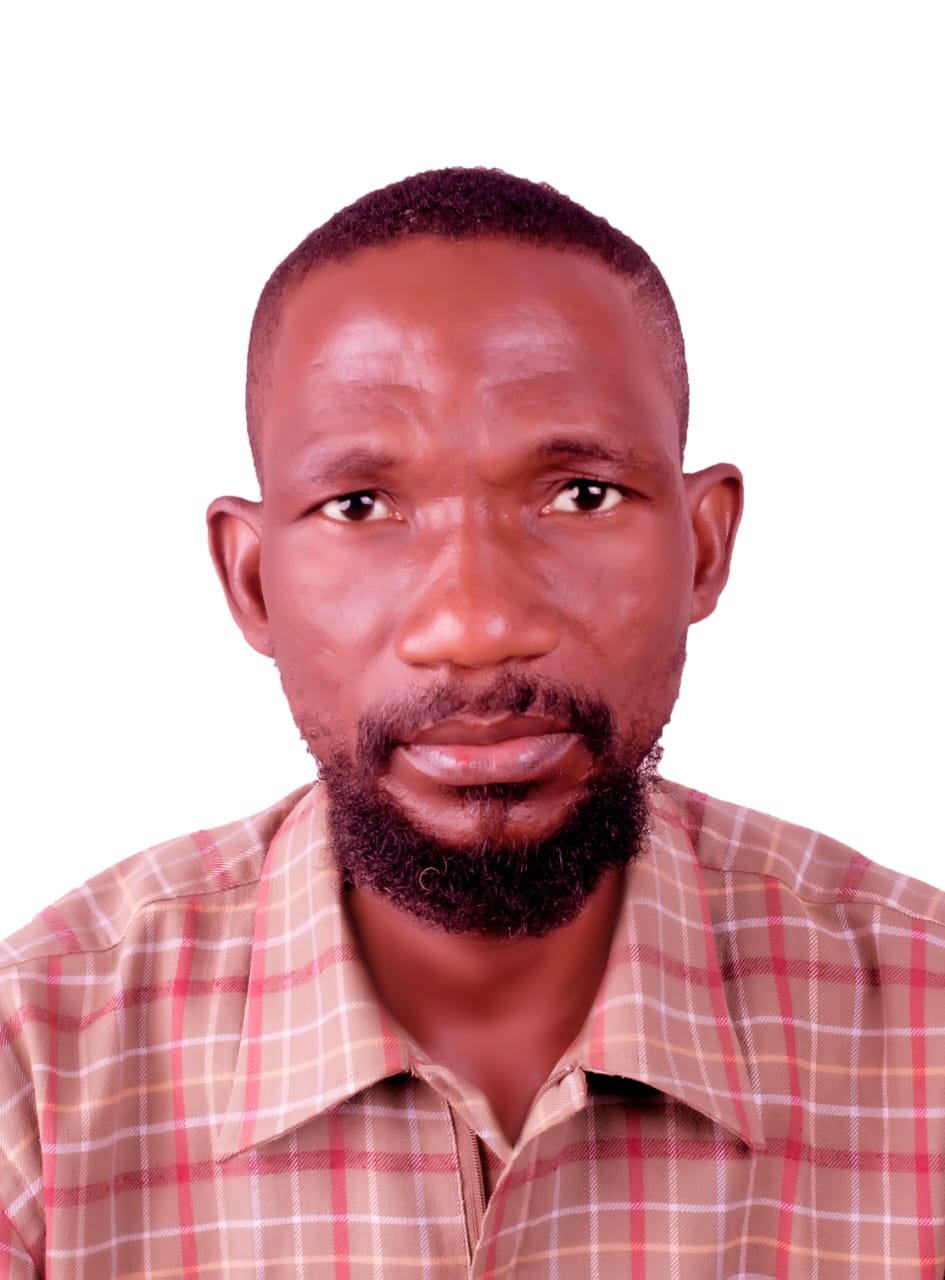
Reported by Afilawos Magana Sur, investigative Journalist at Sele Media Africa.
Nigeria’s electoral landscape is set for a significant adjustment following a decision by the Independent National Electoral Commission (INEC) to move the 2027 Presidential and National Assembly elections to January 16, 2027. The Commission also confirmed changes to the timetable for the Osun State governorship election, signaling a comprehensive overhaul of the country’s electoral calendar ahead of the next general cycle. The development marks a departure from Nigeria’s traditional February scheduling of presidential elections, as witnessed in the 2019 and 2023 general polls. According to INEC, the revised timetable is aimed at improving logistical coordination, strengthening compliance with the Electoral Act, and providing adequate time for post-Election processes before the May 29 handover date. Strategic shift in Nigeria’s electoral time line under the new framework, presidential and National Assembly elections will be conducted earlier in the year, a move observers say could reduce the time pressures historically associated with collation, dispute resolution, and transition planning. The adjustment is also expected to allow INEC to streamline procurement, voter education, and distribution of sensitive materials across Nigeria’s 36 states and the Federal Capital Territory. In addition to the presidential poll shift, INEC announced that the Osun State governorship election would be rescheduled in line with constitutional requirements and the expiration of the current administration’s tenure. Osun, located in Nigeria’s South-West geopolitical zone, remains a politically strategic state with a history of closely contested governorship races.Legal and Constitutional ContextNigeria’s electoral framework is governed primarily by the 1999 Constitution (as amended) and the Electoral Act 2022. The law stipulates timelines within which elections must be conducted before the expiration of incumbents’ mandates. Analysts note that advancing the presidential election to mid-January 2027 could provide additional legal clarity and administrative breathing room for electoral dispute adjudication at tribunals and appellate courts. The Commission has not indicated any changes to the sequence of state governorship or state assembly elections beyond Osun, but stakeholders expect further clarifications in the coming months as political parties intensify preparations. Political and operational implications the timetable adjustment is likely to reshape campaign strategies, fundraising cycles, and party primaries across Nigeria’s political spectrum. Major political parties—including the ruling All Progressives Congress (APC) and the opposition Peoples Democratic Party (PDP)—are expected to recalibrate internal processes to align with the new schedule. Election observers argue that an earlier poll date could help mitigate risks associated with seasonal weather disruptions and logistical bottlenecks. However, civil society groups have emphasized the need for transparent communication, early voter awareness campaigns, and robust stakeholder engagement to prevent confusion among the electorate. Public confidence and electoral integrity INEC has repeatedly affirmed its commitment to strengthening electoral credibility following the technological and logistical challenges that trailed previous elections. The commission’s deployment of the Bimodal Voter Accreditation System (BVAS) and the INEC Result Viewing Portal (IReV) in recent polls marked significant steps toward digitization and transparency. With the 2027 elections still nearly a year away, political actors, civil society organizations, and international observers are expected to scrutinize preparations closely to ensure compliance with democratic standards. As Africa’s most populous nation and largest democracy, Nigeria’s electoral process carries significant continental weight. The success of the revised 2027 timetable will not only shape domestic governance but also influence democratic confidence across West Africa. SourcesThe Punch; Premium Times; Channels Television; Vanguard.


Afilawos Magana Sur is a journalist from Bogoro Local Government Area of Bauchi State, currently based in Bauchi metropolis. He is known for his commitment to accurate, ethical, and responsible journalism, with a focus on reporting issues of public relevance and community development.
About The Author

Share this:

Discover more from Sele Media Africa
Subscribe to get the latest posts sent to your email.