
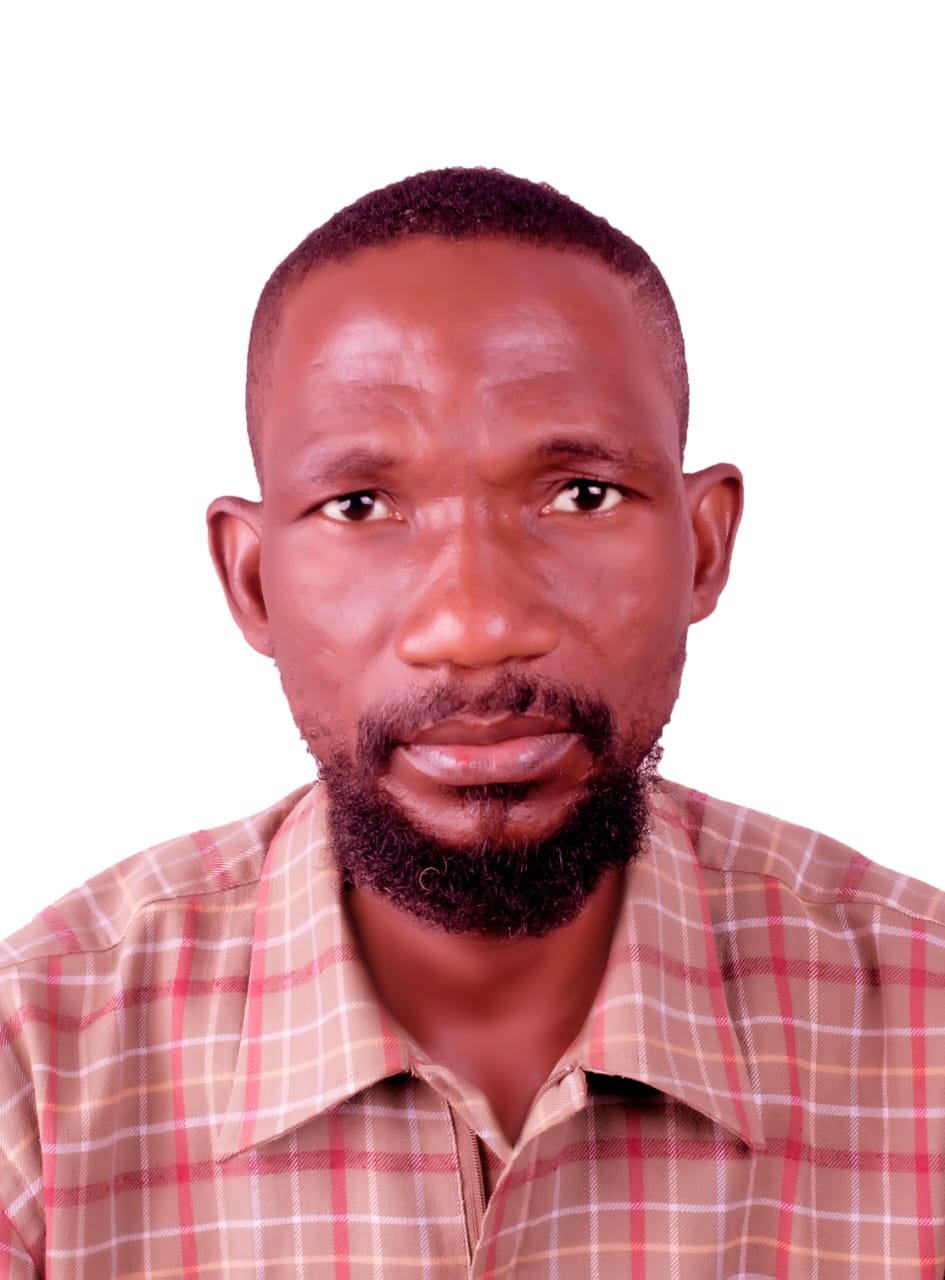
Reported by Afilawos Magana Sur, Managing Editor | Journalist at Sele Media Africa.
Across displacement camps in Nigeria’s Middle Belt, frustration is deepening as internally displaced persons (IDPs) in Benue State issue a blunt and emotional appeal to the Federal Government: if safe return to their ancestral homes is not possible, authorities should say so plainly rather than sustain what they describe as “false hope.” Years after waves of violence forced thousands from their communities—largely driven by armed attacks, communal clashes, and farmer-herder conflicts—many families remain stranded in overcrowded camps with limited access to basic services, security, and long-term resettlement plans.
For many residents, the psychological toll is as devastating as the physical displacement. One grieving mother, reflecting on her loss, said: “I see children, then I realise all mine are dead.” Her words capture a broader trauma shared by thousands who have lost relatives, homes, and livelihoods, with little clarity about when—or whether—they can safely return. A protracted Humanitarian crisis
benue State has long been considered one of Nigeria’s hardest-hit regions in terms of internal displacement. According to humanitarian agencies, recurring attacks in rural communities have forced repeated waves of displacement, stretching state and federal response systems. Despite government assurances over the years, many IDPs say conditions for return—such as security guarantees, reconstruction of homes, and access to farmland—remain unmet. Camps initially designed as temporary shelters have effectively become semi-permanent settlements.
Humanitarian observers note that the situation reflects a broader national challenge. Nigeria remains one of Africa’s countries with the highest number of internally displaced persons, driven by overlapping crises including insurgency in the northeast, banditry in the northwest, and communal violence in the Middle Belt.
Calls for transparency and accountability residents in the camps are not only demanding action but also clarity. Their message underscores a growing distrust in official timelines and promises. Many argue that the lack of transparent communication has compounded their suffering, leaving them uncertain about their future.
Local advocacy groups and civil society organisations have echoed these concerns, urging authorities to adopt a more realistic and inclusive approach to resettlement. This includes engaging displaced communities directly in decision-making processes and prioritising both security and economic recovery. Security analysts warn that prolonged displacement without durable solutions could deepen poverty, increase vulnerability to exploitation, and fuel further instability in already fragile regions. Government response and ongoing challenges the Federal government has repeatedly stated its commitment to restoring peace and facilitating the return of displaced populations. Initiatives have included military operations, reconstruction programmes, and collaboration with state governments. However, gaps remain between policy and lived reality. In Benue, residents point to continued insecurity in their home areas, sporadic attacks, and insufficient rebuilding efforts as major obstacles to return. Experts argue that resolving the crisis will require a multi-layered strategy—combining improved security operations, justice for victims, reconciliation mechanisms, and sustained investment in rebuilding affected communities. Human cost beyond numbers beyond statistics, the crisis represents a profound human tragedy. Families have been separated, livelihoods destroyed, and entire communities uprooted. Children growing up in camps face disrupted education and uncertain futures, while adults struggle with trauma and economic hardship. For many IDPs, the demand is simple yet urgent: honesty, safety, and dignity. Whether through safe return, resettlement, or integration into new communities, they are calling for solutions that move beyond temporary relief toward lasting stability. As Nigeria continues to grapple with complex security challenges, the voices from Benue’s camps serve as a stark reminder that behind policy debates are real lives waiting for resolution. Sources: BBC News; Al Jazeera; Reuters
International Organization for Migration United Nations High Commissioner for Refugees.
Author


Afilawos Magana Sur is a journalist from Bogoro Local Government Area of Bauchi State, currently based in Bauchi metropolis. He is known for his commitment to accurate, ethical, and responsible journalism, with a focus on reporting issues of public relevance and community development.
Share this:

Discover more from Sele Media Africa
Subscribe to get the latest posts sent to your email.