



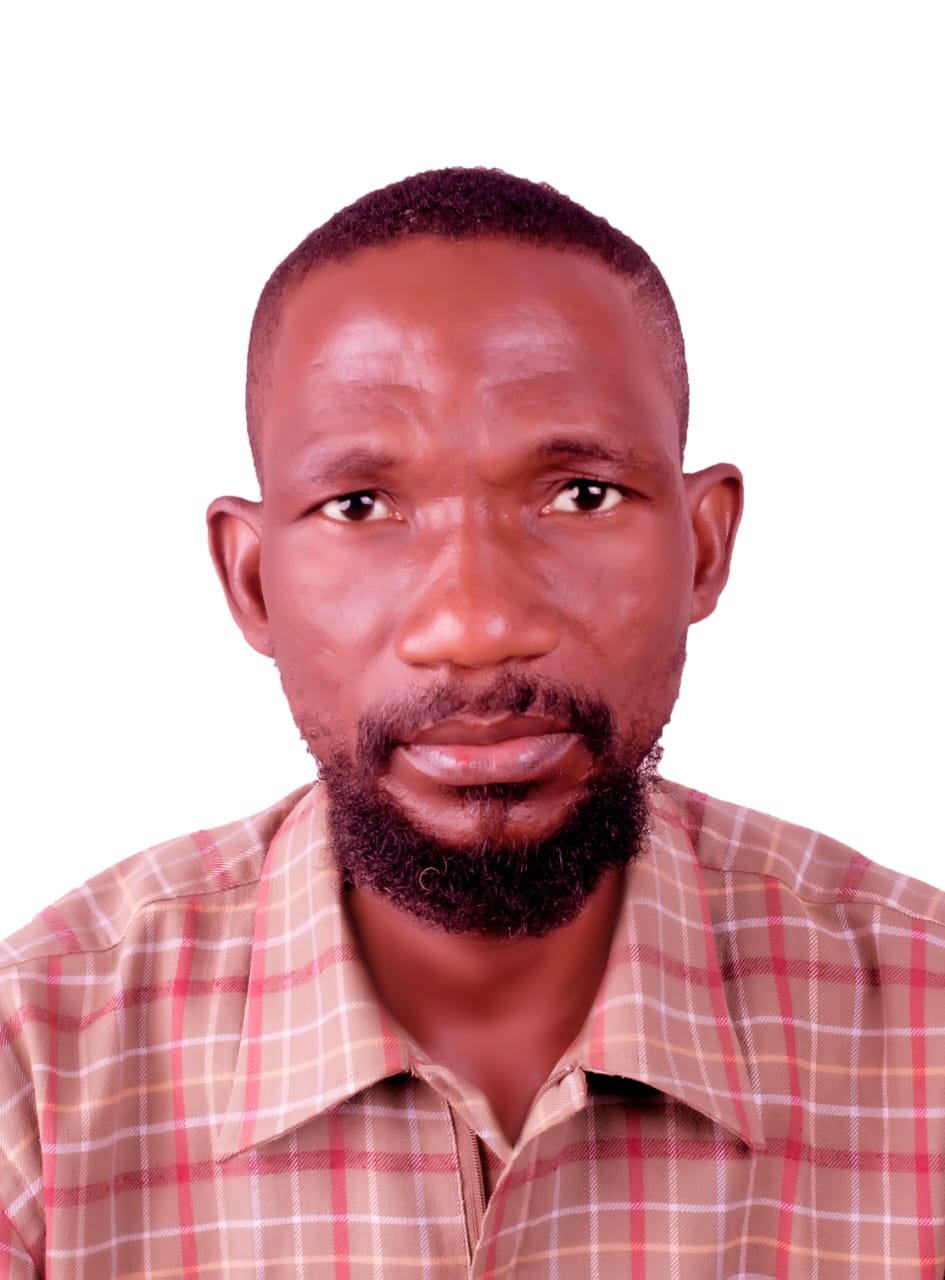
Reported by Afilawos Magana Sur, investigative Journalist at Sele Media Africa.
Public commentary circulating in Nigeria’s Middle Belt has reignited debate over identity, political expression, and the place of international solidarity movements within local communities, particularly in Plateau State. The discussion follows remarks attributed to Walshak John Samuel, who criticized plans by some groups to organize demonstrations in solidarity with Iran within Plateau State. In his commentary, Samuel argued that Plateau’s socio-political priorities should remain focused on the security, cultural identity, and development of its indigenous communities. Plateau State, located in Nigeria’s Middle Belt, is historically home to several indigenous ethnic nationalities including the Berom, Afizere, Anaguta, Tarok, Ngas, Mwaghavul, and Irigwe peoples. These communities have long asserted cultural and historical ties to the region, which has frequently experienced tensions related to land ownership, ethnic identity, and farmer–herder conflicts. Samuel maintained that introducing international geopolitical demonstrations into the state could heighten local sensitivities. According to him, Plateau communities are grappling with security concerns and inter-communal tensions that require sustained attention from government authorities and civil society actors. “Plateau people have their own identity, culture, and serious local challenges to deal with,” he stated, emphasizing that the region should prioritize stability and peaceful coexistence rather than becoming a stage for foreign political or ideological disputes. The remarks also referenced Sokoto, suggesting that regions with stronger historical and cultural ties to Northern Islamic political traditions might be more receptive to demonstrations centered on Middle Eastern geopolitical issues. Analysts, however, note that Nigeria’s constitution protects the right of citizens to peaceful assembly anywhere in the country, provided such activities comply with public order regulations. Political observers say the debate reflects deeper national conversations about identity, regional autonomy, and the limits of political expression in a diverse federal state like Nigeria. Nigeria’s Middle Belt — including Plateau State — has often served as a complex meeting point between northern and southern political, religious, and cultural influences. Scholars note that this diversity has historically made the region sensitive to narratives perceived as external ideological imports. Security analysts also warn that politically charged protests, especially those tied to international conflicts, can sometimes intersect with domestic tensions if not carefully managed by authorities and community leaders. For many Plateau residents, the priority remains addressing persistent security challenges, rebuilding trust between communities, and strengthening local governance. Major Nigerian and international media outlets have continued to report on identity debates and security challenges in Plateau and the broader Middle Belt, underscoring the region’s importance to Nigeria’s stability and national cohesion. Sources: BBC News; Al Jazeera; Reuters; The Guardian; Nigeria Premium Times.

Afilawos Magana Sur is a journalist from Bogoro Local Government Area of Bauchi State, currently based in Bauchi metropolis. He is known for his commitment to accurate, ethical, and responsible journalism, with a focus on reporting issues of public relevance and community development.
About The Author

Share this:
Discover more from Sele Media Africa
Subscribe to get the latest posts sent to your email.