



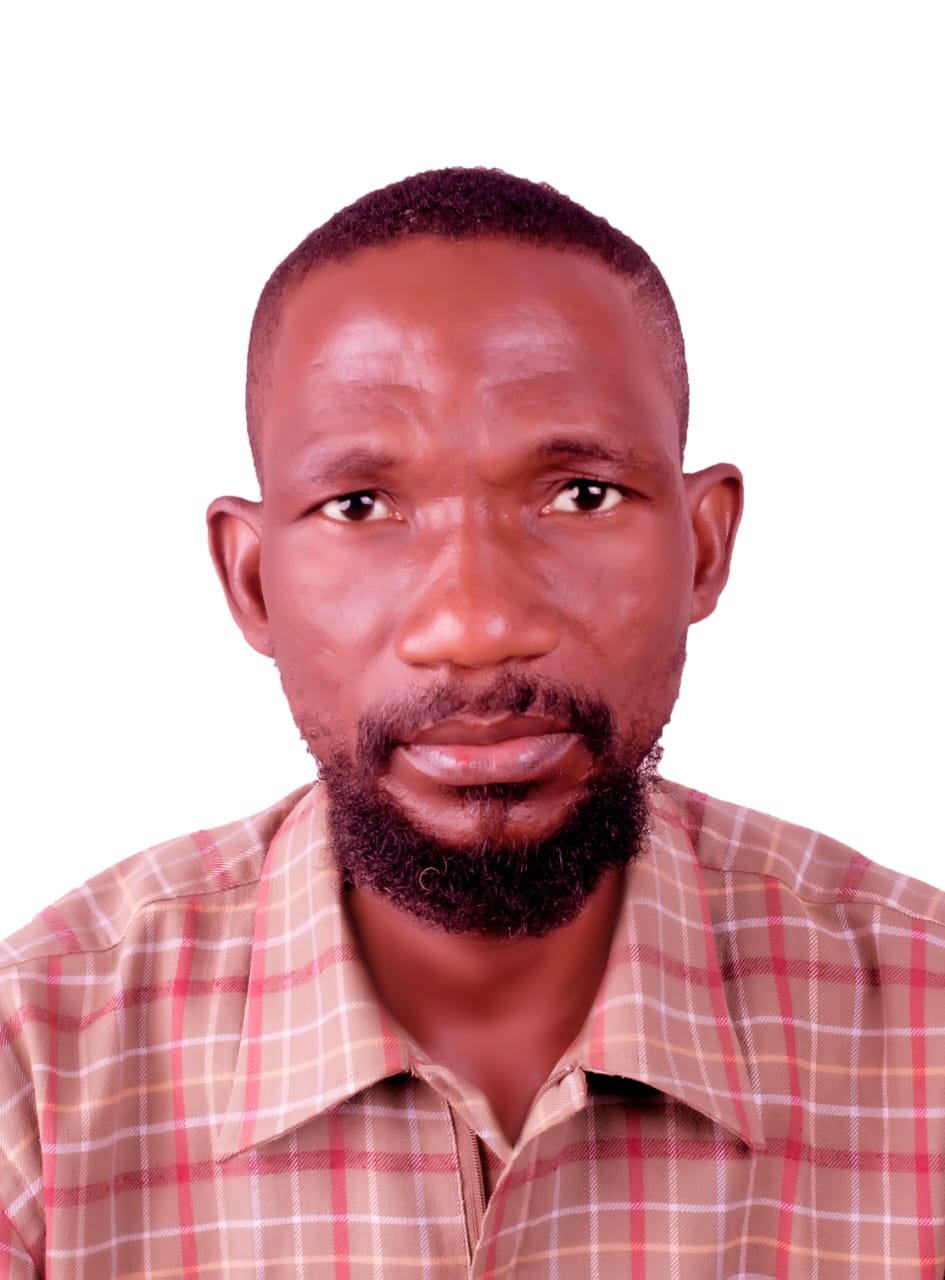
Reported by Afilawos Magana Sur, investigative Journalist at Sele Media Africa.
Thousands of Muslims in Sokoto State, northwestern Nigeria, staged a mass protest on Sunday morning following reports of the assassination of Iran’s Supreme Leader, Ayatollah Ali Khamenei. Demonstrators gathered in significant numbers across parts of the state capital, mourning the Iranian cleric and voicing strong condemnation of the United States and Israel.The protest, which began shortly after morning prayers, saw participants carrying placards, chanting solidarity messages, and demanding international accountability over the killing. Security presence was visibly heightened across key locations in Sokoto metropolis to prevent escalation, though no immediate reports of violence were confirmed at the time of filing this report.Ayatollah Ali Khamenei, who has served as Iran’s Supreme Leader since 1989 following the death of Ruhollah Khomeini, has been a central figure in Iran’s political and religious leadership for over three decades. As the highest authority in the Islamic Republic, he wields considerable influence over Iran’s military, judiciary, and foreign policy. While official confirmation and detailed circumstances surrounding the reported assassination remain limited, international reactions are beginning to emerge. Major global outlets including Reuters, BBC, Al Jazeera, and The Associated Press have reported on developments related to tensions surrounding Iran’s leadership, regional geopolitics, and reactions across Muslim-majority communities. In Sokoto, protest leaders described the assassination as “an attack on the Muslim Ummah” and called for unity among Islamic nations. Many protesters expressed anger toward the United States and Israel, whom they accused of complicity, though no official evidence has yet been publicly presented linking any government to the alleged attack. Sokoto, historically regarded as a spiritual and intellectual center of Islamic scholarship in West Africa, has long maintained strong emotional and ideological ties with global Muslim causes. The state is home to the Sultanate Council and remains influential in shaping religious discourse across northern Nigeria. Analysts note that developments involving Iran’s Supreme Leader carry significant geopolitical implications. Iran plays a critical role in Middle Eastern power dynamics, with longstanding tensions involving the United States and Israel, as well as complex relations with Gulf states and global powers. Any confirmed change in leadership in Tehran could have ripple effects across energy markets, regional security frameworks, and international diplomacy. As of press time, Nigerian federal authorities had not issued an official statement regarding the protest or the reported assassination. Observers say continued monitoring is essential, given the potential for demonstrations to spread to other states with strong religious mobilization networks. Sele Media Africa will continue to provide verified updates as more details emerge.Sources:Reuters; BBC; Al Jazeera; The Associated Press.


Afilawos Magana Sur is a journalist from Bogoro Local Government Area of Bauchi State, currently based in Bauchi metropolis. He is known for his commitment to accurate, ethical, and responsible journalism, with a focus on reporting issues of public relevance and community development.
About The Author

Share this:

Discover more from Sele Media Africa
Subscribe to get the latest posts sent to your email.