
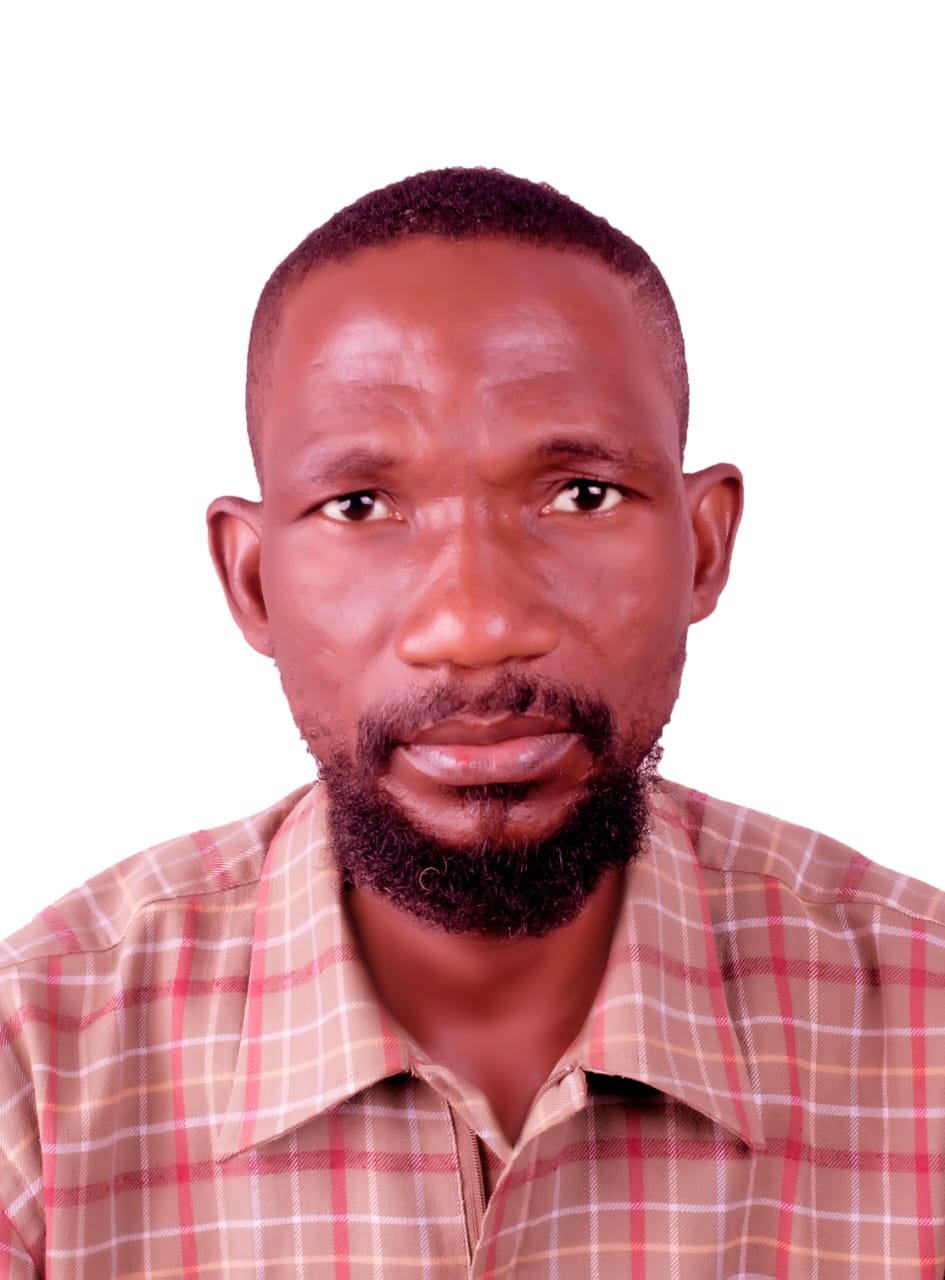
Reported by Afilawos Magana Sur, Managing Editor | Journalist at Sele Media Africa.
The Middle East faces renewed uncertainty following claims by Israel Katz that Israeli forces carried out a targeted overnight strike resulting in the deaths of senior Iranian security figures, including Ali Larijani and Gholamreza Soleimani. According to Katz, the operation—details of which remain limited—was part of Israel’s ongoing strategic response to perceived threats linked to Iran. He asserted that Larijani, described as a key security figure, was killed during the strike, alongside Soleimani, who headed Iran’s Basij paramilitary force, a powerful auxiliary unit under the Islamic Revolutionary Guard Corps (IRGC). However, as of the time of filing this report, Iranian authorities have not confirmed or commented on the alleged killings, raising questions about the accuracy and context of Israel’s claims. The absence of independent verification has further intensified scrutiny among global observers and analysts monitoring the fragile geopolitical balance in the region. Conflicting narratives and information gaps the claim comes amid already heightened tensions between Israel and Iran, whose longstanding rivalry has increasingly played out through covert operations, cyber warfare, and proxy conflicts across the Middle East. In such a volatile environment, information warfare and strategic messaging often accompany military developments, making independent confirmation critical. Ali Larijani, a prominent figure in Iranian politics, has previously served in several high-ranking roles, including as Speaker of Parliament. His influence within Iran’s political and security architecture has been widely acknowledged. Meanwhile, Gholamreza Soleimani has been a central figure in mobilizing Iran’s Basij forces, often associated with internal security operations and regional ideological outreach.
If confirmed, their deaths would mark a significant escalation in direct targeting of high-profile Iranian figures, potentially altering the strategic calculus between both nations. Regional and global implications security analysts warn that such a development—if verified—could trigger a new phase of confrontation, with possible retaliatory measures from Iran or its allied groups across the region. Past incidents involving targeted killings have often been followed by escalatory responses, raising concerns about a broader conflict. The international community, including global powers and multilateral institutions, is expected to closely monitor the situation. Calls for restraint and verification are likely to intensify, particularly given the risks of miscalculation in an already volatile security landscape. For African stakeholders and observers, the implications extend beyond geopolitics. Instability in the Middle East often affects global oil markets, trade routes, and diplomatic alignments—factors that have direct economic and strategic consequences for African nations. The need for verified reporting
At Sele Media Africa, the commitment to factual, balanced, and independent journalism remains paramount. While Israel’s statement introduces a potentially significant development, the lack of confirmation from Iranian authorities underscores the need for caution in interpreting the situation.
As events continue to unfold, Sele Media Africa will provide verified updates, ensuring that audiences receive accurate and context-rich reporting rooted in credibility and journalistic integrity. Sources: Reuters;
BBC News; Al Jazeera; The Guardian;
Associated Press (AP News).
Author


Afilawos Magana Sur is a journalist from Bogoro Local Government Area of Bauchi State, currently based in Bauchi metropolis. He is known for his commitment to accurate, ethical, and responsible journalism, with a focus on reporting issues of public relevance and community development.
Share this:

Discover more from Sele Media Africa
Subscribe to get the latest posts sent to your email.