
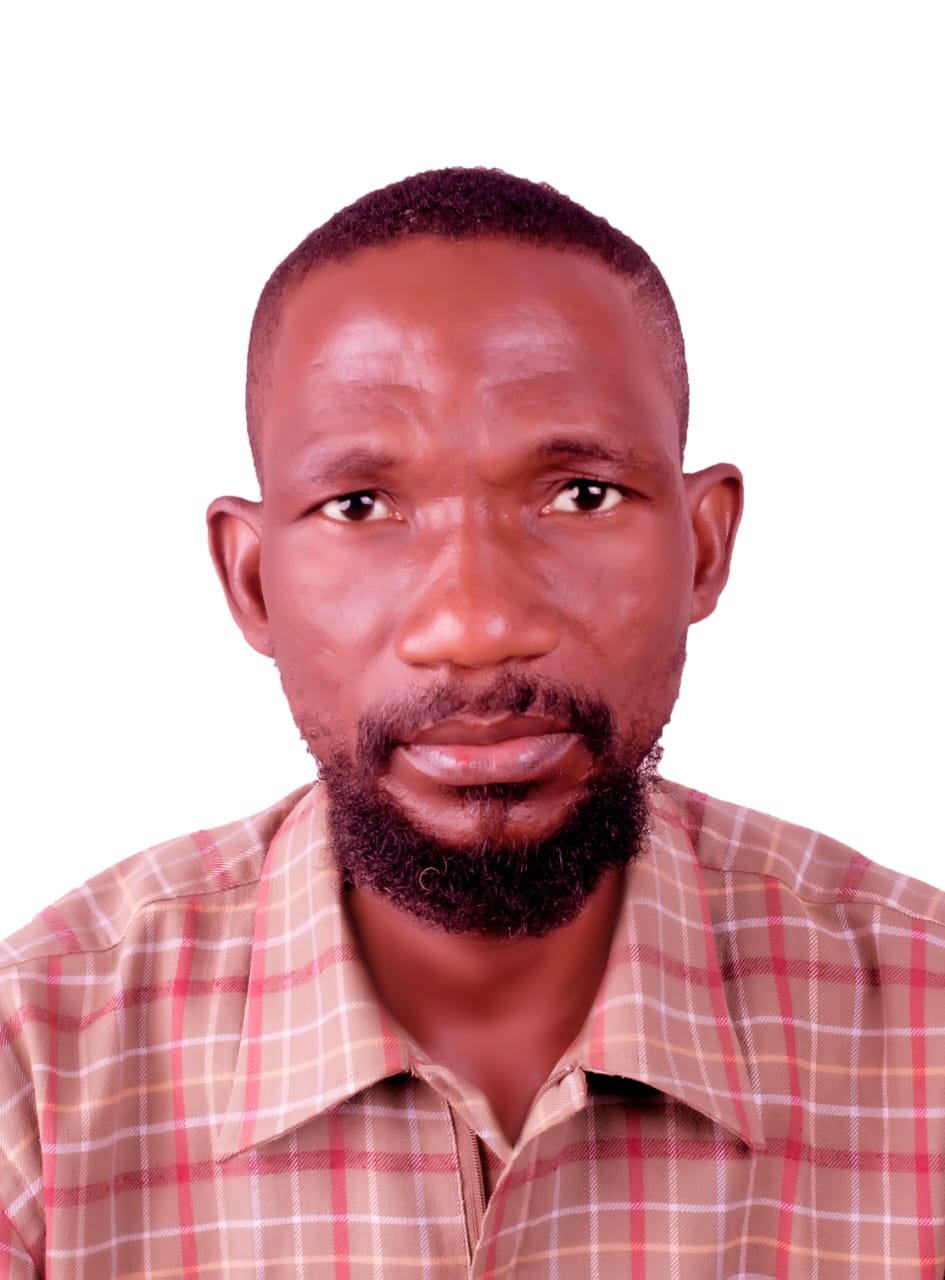
Reported by Afilawos Magana Sur, Managing Editor | Journalist at Sele Media Africa.
A court in Birmingham, United Kingdom, has heard harrowing details in a case involving a 23-year-old man accused of subjecting two young women to prolonged physical and psychological abuse over several months, raising renewed concerns about gender-based violence and safeguarding failures in urban communities.
The suspect, identified as Mohammed Kasim, is alleged to have held the victims captive in a residential property in Birmingham, where prosecutors say they were repeatedly assaulted, degraded, and denied basic freedoms. According to proceedings presented before the court, the abuse included severe acts of violence and coercion that left lasting physical and emotional trauma.
Prosecutors outlined a pattern of sustained brutality, including allegations that one of the victims suffered serious injuries to her face, resulting in partial loss of vision. The court also heard claims that both women were subjected to degrading treatment, including being forced to consume harmful substances and endure acts intended to humiliate and control them. Emergency services reportedly intervened after concerns were raised, leading to the victims’ rescue and the arrest of the suspect. Authorities have not disclosed all operational details, citing the sensitivity of the ongoing judicial process and the need to protect the identities of the victims.
Legal representatives for the prosecution emphasized the severity of the alleged crimes, describing them as “systematic and deeply disturbing acts of violence.” The defense, however, has yet to fully present its case as proceedings continue. The case has drawn widespread attention across the United Kingdom, prompting renewed scrutiny of how such prolonged abuse could occur undetected. Advocacy groups have called for stronger community vigilance, improved reporting mechanisms, and enhanced protections for vulnerable individuals, particularly women at risk of domestic or coercive abuse.
Experts in criminal justice and social welfare note that cases of prolonged captivity and abuse, while relatively rare, often involve complex dynamics of manipulation, fear, and isolation that can prevent victims from seeking help. They stress the importance of early intervention systems and coordinated responses between law enforcement, healthcare providers, and social services.
“This case underscores the urgent need for robust safeguarding frameworks and public awareness,” said a UK-based human rights advocate familiar with similar cases. “Victims often suffer in silence due to fear, stigma, or lack of access to support systems.” In recent years, the UK government has introduced legislative measures aimed at tackling domestic abuse and coercive control, including provisions under the Domestic Abuse Act. However, critics argue that gaps remain in implementation and enforcement, particularly in identifying hidden cases of abuse before they escalate. For African audiences and policymakers, the case resonates beyond the UK, reflecting a global challenge in addressing gender-based violence and protecting vulnerable populations. Across many regions, including parts of Africa, similar patterns of abuse persist, often compounded by cultural stigma and limited institutional capacity. As the Birmingham case proceeds through the courts, authorities have urged the public to avoid speculation and allow due process to take its course. Support services for victims of abuse continue to emphasize the importance of reporting suspicious situations and providing safe channels for those at risk to seek help. The outcome of the trial is expected to have broader implications for legal accountability and victim protection in the UK, while also contributing to ongoing international conversations about preventing extreme forms of interpersonal violence.
Sources: BBC News, The Guardian, Sky News, The Independent, Reuters.
Author


Afilawos Magana Sur is a journalist from Bogoro Local Government Area of Bauchi State, currently based in Bauchi metropolis. He is known for his commitment to accurate, ethical, and responsible journalism, with a focus on reporting issues of public relevance and community development.
Share this:

Discover more from Sele Media Africa
Subscribe to get the latest posts sent to your email.