



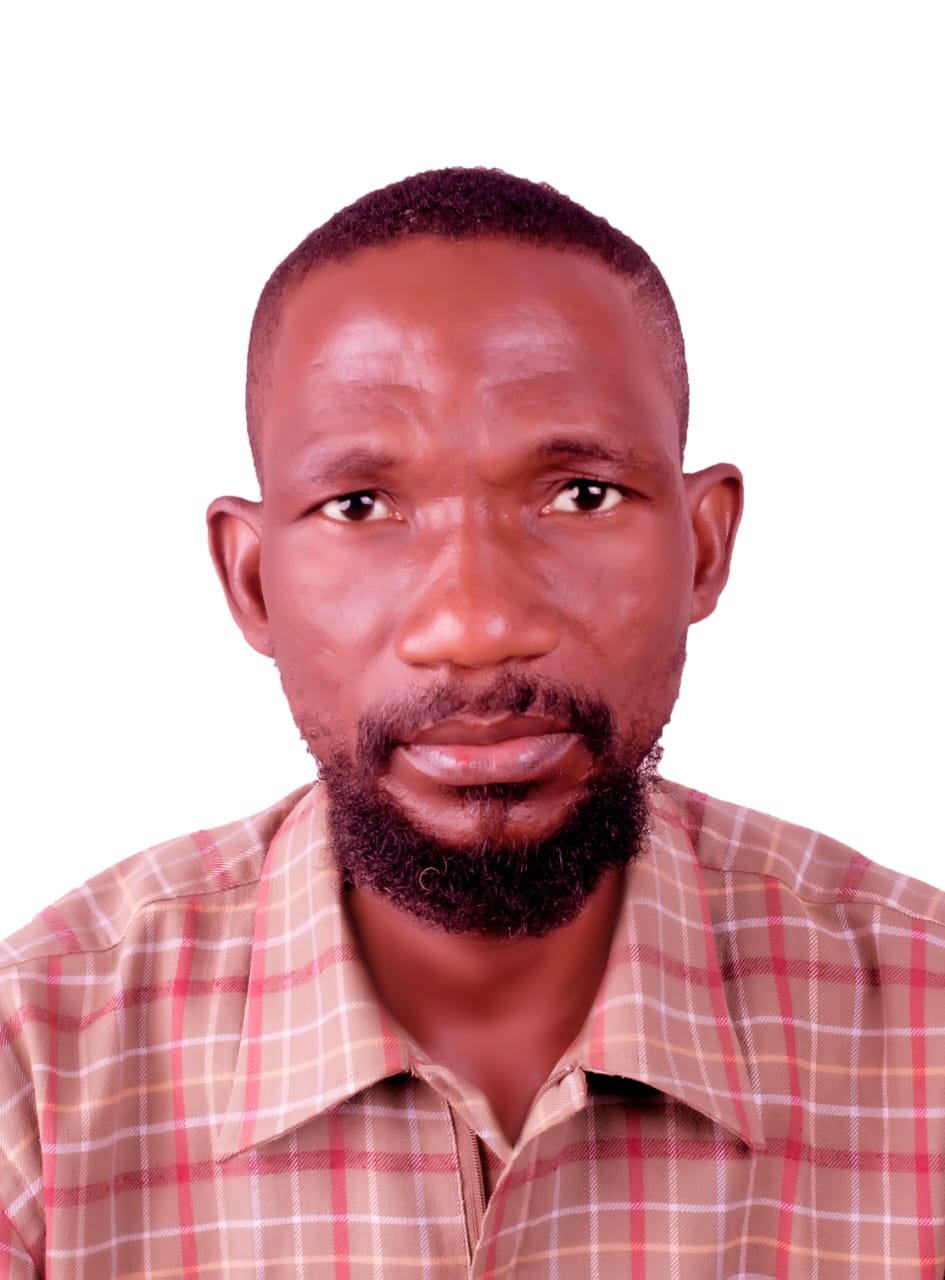
Reported by Afilawos Magana Sur, investigative Journalist at Sele Media Africa.
The Benue State Government has formally sought federal approval to establish a Disarmament, Demobilisation, and Reintegration (DDR) centre aimed at rehabilitating approximately 400 repentant bandits, in what officials describe as a strategic shift toward non-kinetic conflict resolution in Nigeria’s North-Central region. State authorities say the proposed DDR facility would focus on disarmament, structured deradicalisation programmes, vocational training, and long-term reintegration into society. The initiative, which requires clearance and coordination with the Federal Government of Nigeria, is designed to complement ongoing military and security operations targeting armed groups across Benue and neighbouring states.
A shift toward rehabilitation Benue State has for years remained one of the epicentres of violent attacks linked to armed banditry and farmer-herder conflicts. Communities across several local government areas have experienced repeated displacement, loss of lives, and destruction of farmlands—deepening humanitarian and food security concerns in Nigeria’s Middle Belt. State officials argue that a DDR framework offers an opportunity to reduce recidivism, encourage voluntary surrender of arms, and ease pressure on overstretched security forces. According to government sources, the proposed centre would operate under strict monitoring, with participants undergoing comprehensive screening and community reconciliation processes. The DDR model is not new to Nigeria. Variations of the programme were implemented in the Niger Delta following years of militancy, with federal backing. Security analysts note, however, that its application in the context of banditry in the North-Central and North-West regions presents new operational and political complexities. Federal oversight and national security context the establishment of a DDR centre requires policy alignment with national security agencies and the Office of the National Security Adviser. Observers say federal approval would ensure coordination between the military, intelligence services, and state-level actors to prevent infiltration or abuse of the programme. Nigeria has faced escalating insecurity in recent years, including banditry, insurgency, and communal violence. Reports by leading Nigerian and international media outlets, including the BBC News, Al Jazeera, Reuters, and Premium Times, have consistently documented the spread of armed groups across rural communities and the strain on security infrastructure. While some stakeholders view rehabilitation initiatives as pragmatic conflict management tools, others caution that such programmes must prioritise justice for victims and avoid perceptions of rewarding criminality. Civil society organisations in Benue have repeatedly called for transparency, victim compensation frameworks, and community engagement in any reintegration process.
Balancing Justice and Peacebuilding
Security experts emphasise that DDR programmes succeed when paired with clear accountability mechanisms, socio-economic support structures, and sustained political will. Without these, reintegration efforts risk undermining public trust.
For Benue, a largely agrarian state, restoring stability remains critical not only for human security but also for agricultural productivity and regional food supply chains. Authorities insist that the proposed rehabilitation centre would operate within a broader security strategy that includes continued law enforcement operations against unrepentant armed actors. As the state awaits federal approval, the debate underscores a broader national conversation: how Nigeria balances kinetic security operations with long-term peacebuilding strategies in regions scarred by protracted violence. Sources: BBC News; Al Jazeera; Reuters; Premium Times.


Afilawos Magana Sur is a journalist from Bogoro Local Government Area of Bauchi State, currently based in Bauchi metropolis. He is known for his commitment to accurate, ethical, and responsible journalism, with a focus on reporting issues of public relevance and community development.
About The Author

Share this:

Discover more from Sele Media Africa
Subscribe to get the latest posts sent to your email.