



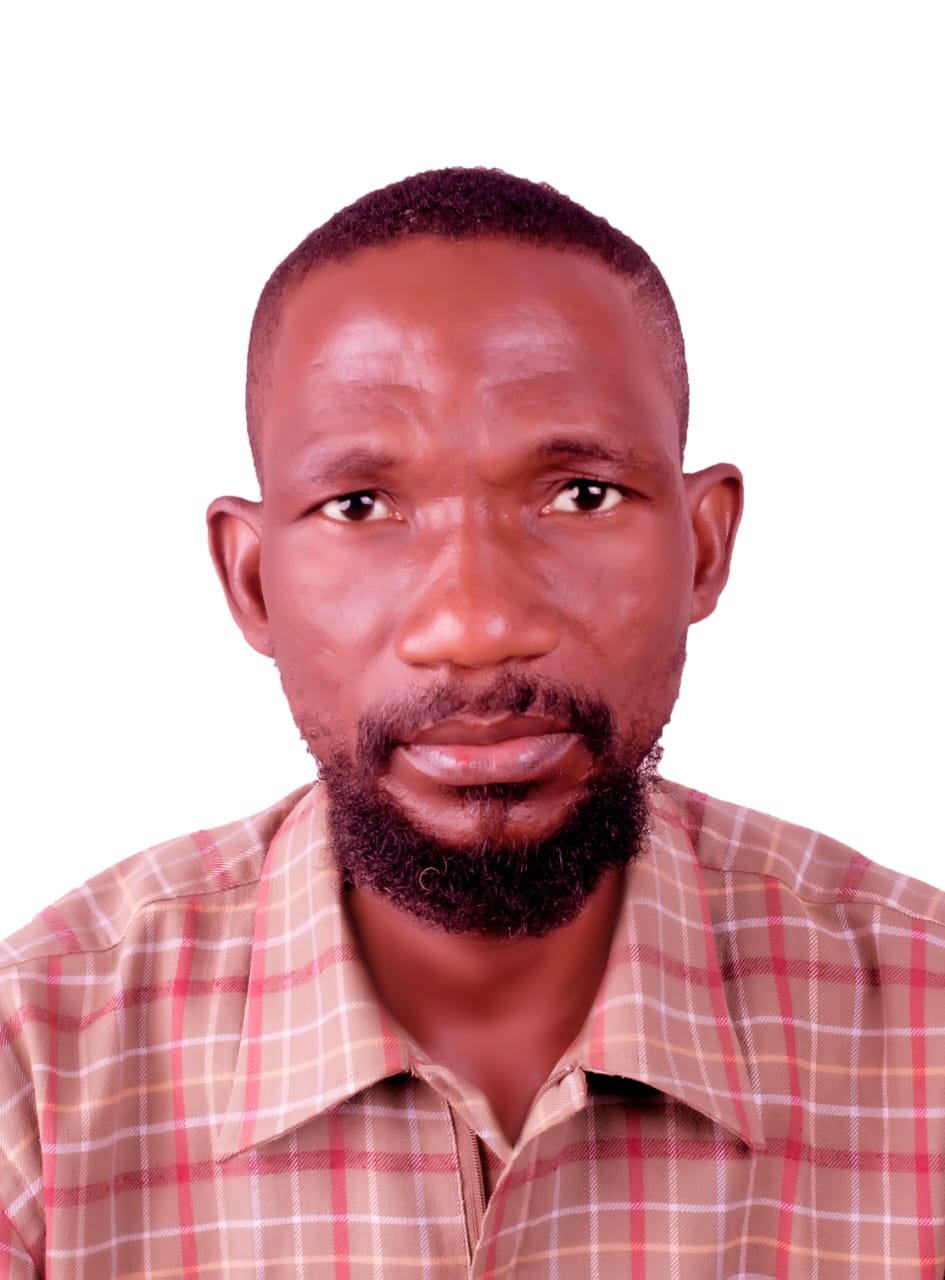
Reported by Afilawos Magana Sur, investigative Journalist at Sele Media Africa.
A prosecution witness has told the Abuja Division of the Federal High Court that more than 200 heavily armed men carried out the June 13, 2025 attack on Yelewata community in Benue State, leaving over 200 people dead and destroying property worth millions of naira. Testifying before the court, the federal witness described the assault as coordinated and unprovoked, alleging that the attackers stormed Yelewata in large numbers, wielding AK-47 rifles and shooting indiscriminately. According to the testimony, homes were razed, residents were killed while attempting to flee, and critical community infrastructure was destroyed during the hours-long siege. The incident, which occurred in Yelewata, a community in Benue State’s Guma axis, is one of the deadliest attacks recorded in Nigeria in 2025. Survivors have consistently described the violence as systematic and overwhelming, with local security reportedly unable to repel the scale of the assault at the time it began. Court proceedings and federal prosecution the ongoing trial at the Federal High Court in Abuja forms part of the Federal Government’s broader prosecution efforts against individuals accused of terrorism-related offenses and mass killings in the Middle Belt region. Prosecutors are seeking to establish the scale, coordination, and intent behind the Yelewata attack, relying on eyewitness testimony, security reports, and forensic findings. Defense counsel, however, is expected to challenge aspects of the witness account, including identification of alleged perpetrators and the precise casualty figures, as proceedings continue. Legal analysts note that the case could become a significant test of Nigeria’s capacity to prosecute large-scale violent crimes under federal terrorism and criminal statutes, particularly amid rising insecurity in parts of the country. Wider security context in Benue and Nigeria’s Middle BeltBenue State has long been a flashpoint in Nigeria’s complex security landscape, marked by recurring clashes involving armed groups, communal tensions, and disputes linked to land use and grazing routes. The Yelewata killings intensified national debate over rural security, state policing, and federal response mechanisms. Human rights organizations have repeatedly called for accountability, improved intelligence coordination, and stronger civilian protection frameworks. The scale of the June 13 attack reignited scrutiny of Nigeria’s security architecture and prompted renewed appeals from civil society for justice for victims. National and international attention the Yelewata massacre has been widely reported by major Nigerian and international media outlets, drawing attention to the deteriorating security situation in the Middle Belt. Coverage by reputable platforms has underscored both the humanitarian toll and the legal implications of the trial now unfolding in Abuja. As proceedings continue, families of victims and displaced residents are closely watching the case, hoping for convictions that could signal a stronger deterrent against mass violence in vulnerable rural communities. The Federal High Court is expected to adjourn for further witness testimony as the prosecution builds its case. Sources: Reuters; BBC News; Al Jazeera; Premium Times; Channels Television.


Afilawos Magana Sur is a journalist from Bogoro Local Government Area of Bauchi State, currently based in Bauchi metropolis. He is known for his commitment to accurate, ethical, and responsible journalism, with a focus on reporting issues of public relevance and community development.
About The Author

Share this:

Discover more from Sele Media Africa
Subscribe to get the latest posts sent to your email.