
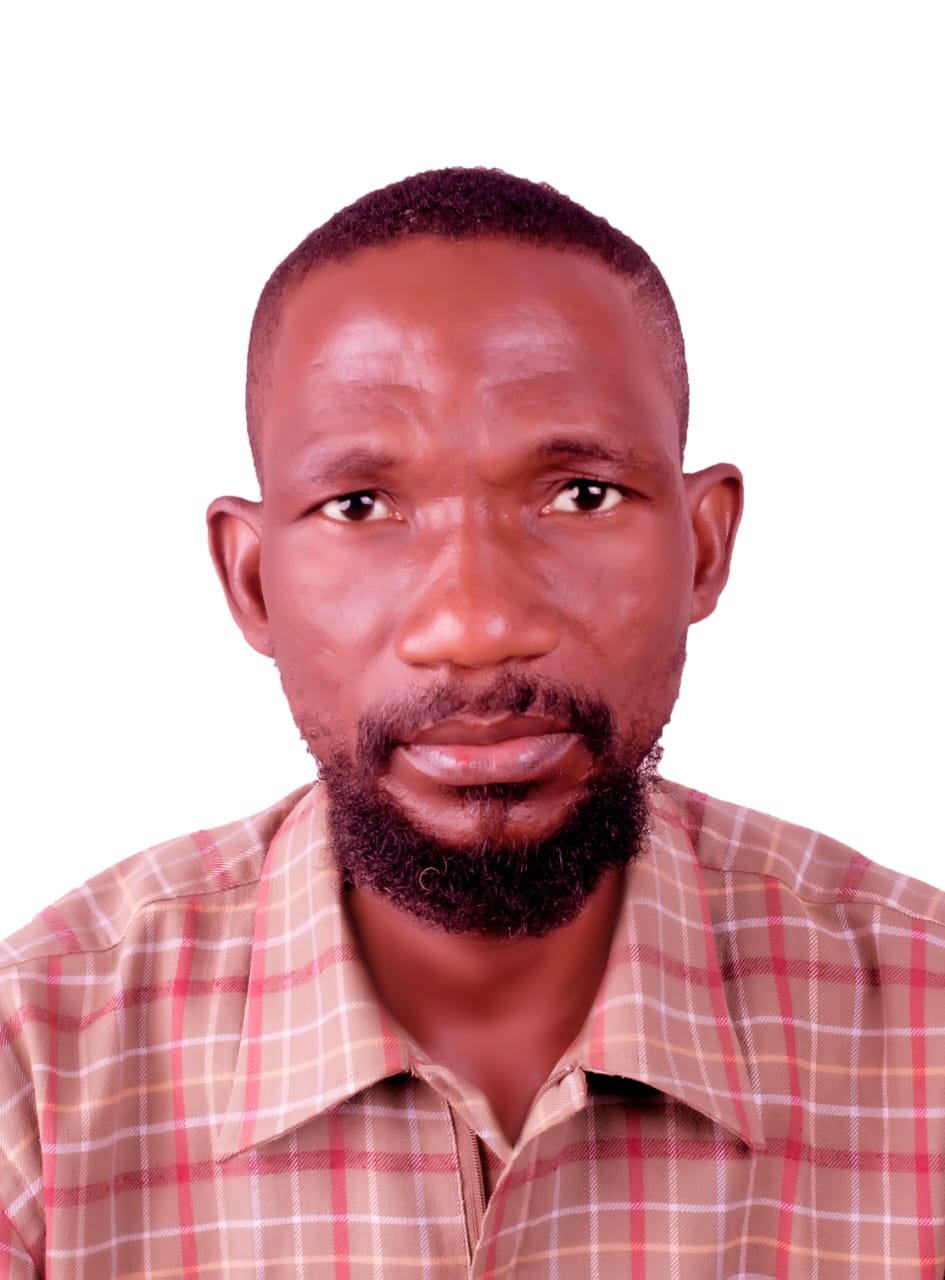
Reported by Afilawos Magana Sur, Managing Editor | Journalist at Sele Media Africa.
The planned burial of 13 victims killed during a violent attack in northern Benue has been abruptly cancelled after the mortician responsible for preparing the bodies reportedly went missing, creating fresh anguish for grieving families and raising questions about logistical and security challenges surrounding the tragedy. Community leaders in Benue State confirmed that the mass burial, scheduled for Thursday, March 12, 2026, was called off after the mortician tasked with preserving and preparing the bodies for interment could not be located shortly before the ceremony. The victims were killed during a suspected armed herdsmen invasion of Turan Community in Jato-Aka, located in Kwande Local Government Area. The attack, which occurred days earlier, left at least 13 residents dead and several others injured, further deepening the security crisis that has plagued rural communities across Benue’s border areas. Funeral plans disrupted according to local authorities and community representatives, preparations had been completed for a joint burial ceremony intended to honour the victims and allow families to begin the mourning process. However, the sudden disappearance of the mortician handling the bodies forced organisers to suspend the burial indefinitely.
Residents said the mortuary worker was responsible for maintaining the bodies and ensuring they were ready for burial in line with local customs and health regulations. Without the mortician present, community leaders reportedly feared proceeding with the burial could create complications. “We were prepared to bury our loved ones and finally give them dignity,” a community source told reporters. “But now the burial has been postponed because the mortician cannot be found. This has added more pain to the families who are already devastated.” Local officials said efforts were underway to locate the missing mortician or arrange alternative arrangements to ensure the victims can be buried as soon as possible.
Community grief and security concerns the killings in Turan have renewed concerns about persistent violence linked to disputes between farming communities and armed groups frequently described by authorities and residents as herdsmen militias. Rural settlements in Benue have repeatedly suffered attacks, displacements, and destruction of property in recent years.
The region surrounding Kwande shares a border with Cameroon and contains remote settlements where security response times can be slow, leaving communities vulnerable during sudden raids. Residents reported that the attack occurred at night, when armed assailants stormed the community, firing shots and forcing many residents to flee into nearby bushes. Several homes were reportedly destroyed during the assault. Community leaders have called on the federal government and security agencies to increase their presence in the area to prevent further violence.
Authorities Respond
Security authorities have not yet provided full details regarding the disappearance of the mortician, but local officials said the matter has been reported to relevant agencies. The tragedy has also intensified calls for stronger protection measures in Benue’s rural communities. Advocacy groups and local leaders argue that the continued cycle of attacks highlights the need for improved intelligence gathering, rural policing, and conflict resolution mechanisms.
Benue State has long been considered one of the epicentres of Nigeria’s farmer–herder conflicts, which analysts say are driven by a complex mix of land disputes, climate pressures, migration patterns, and weak security infrastructure. Broader implications security experts warn that the repeated attacks in farming communities threaten food production and economic stability across Nigeria’s Middle Belt region. Benue, often referred to as the country’s “food basket,” is a major producer of staple crops such as yams, rice, and maize.
Frequent violence has displaced thousands of residents and forced farmers to abandon their fields, contributing to growing food security concerns in the region. For the families of the 13 victims, however, the immediate concern remains the delayed burial of their loved ones.
Community elders say discussions are ongoing to reschedule the funeral once the mortuary situation is resolved, stressing that the victims deserve a dignified burial despite the challenges. “The community will not abandon these victims,” a local leader said. “We will bury them properly once arrangements are completed.” Sources:Reports by Daily Trust, Vanguard, The Punch, and Channels Television.
Author


Afilawos Magana Sur is a journalist from Bogoro Local Government Area of Bauchi State, currently based in Bauchi metropolis. He is known for his commitment to accurate, ethical, and responsible journalism, with a focus on reporting issues of public relevance and community development.
Share this:

Discover more from Sele Media Africa
Subscribe to get the latest posts sent to your email.