



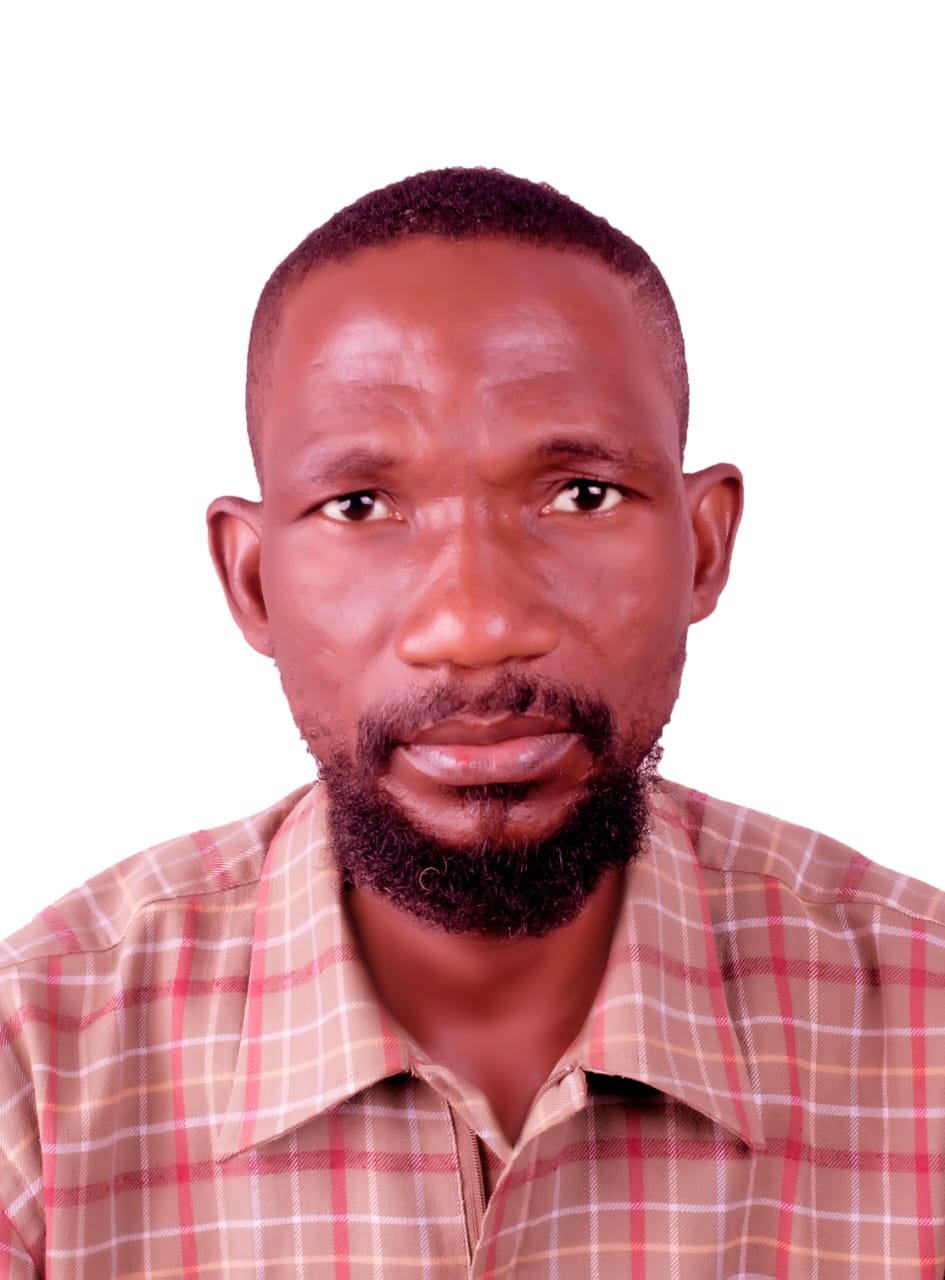
Reported by Afilawos Magana Sur, investigative Journalist at Sele Media Africa.
An Abuja-based cleric has described the persistent violence in Benue State, Kaduna State, and Jos as “genocidal,” arguing that the pattern of attacks suggests a deliberate attempt to wipe out specific communities rather than acts of terrorism akin to those perpetrated by Boko Haram. Speaking in Abuja, the cleric asserted that the scale, frequency, and targeting of rural populations in parts of Nigeria’s Middle Belt point to systematic violence that goes beyond conventional insurgency. He maintained that while Boko Haram’s insurgency in the North-East has been widely recognized as terrorism, the ongoing killings in Benue, Kaduna, and Plateau states reflect a different and more dangerous dynamic. A pattern of targeted attacks Benue and Plateau states, long regarded as part of Nigeria’s agrarian heartland, have witnessed recurring clashes often linked to farmer-herder tensions, land disputes, ethnic rivalries, and religious divisions. In recent years, however, local leaders, faith-based groups, and civil society actors have increasingly described the violence as organized and targeted. In Jos and surrounding communities in Plateau State, deadly attacks have left scores dead and displaced thousands, according to reports by outlets including the BBC News and Al Jazeera. Similar patterns have been documented in southern Kaduna, where rural villages have experienced coordinated raids, arson, and mass killings.Benue State, frequently referred to as Nigeria’s “Food Basket,” has also recorded repeated assaults on farming communities. Coverage by Reuters and The Guardian has highlighted the humanitarian toll, including internal displacement, destruction of farmlands, and rising food insecurity.Terrorism vs. Genocide: A contested framing the cleric’s remarks underscore a growing debate within Nigeria about how to categorize the violence. While terrorism typically involves ideologically driven attacks intended to instill fear and coerce governments or populations, genocide—under international law—implies intent to destroy, in whole or in part, a national, ethnic, racial, or religious group.Successive Nigerian governments have generally framed the violence in the Middle Belt as communal clashes, banditry, or criminality, while designating Boko Haram and its splinter factions in the North-East as terrorist organizations. Security analysts caution that the terminology used has significant legal, political, and diplomatic implications. Experts note that proving genocide requires establishing specific intent, a high legal threshold under international law. Nonetheless, rights advocates argue that repeated, targeted attacks on identifiable communities demand deeper investigation and accountability. Humanitarian and security implications the violence has compounded Nigeria’s internal displacement crisis. According to humanitarian agencies, hundreds of thousands of people across Benue, Plateau, and Kaduna states have been forced from their homes in recent years. Many now live in informal camps or host communities under strained conditions. Beyond the immediate human cost, the instability threatens agricultural productivity in a region critical to national food supply, raising broader economic and food security concerns. Analysts warn that unresolved grievances and impunity could further entrench cycles of retaliation.Calls for Accountability and National Dialogue the Abuja cleric called on federal authorities to reassess their security strategy and pursue transparent investigations into the attacks. He also urged religious and traditional leaders to foster dialogue and resist narratives that inflame divisions. As Nigeria continues to grapple with overlapping security crises—from insurgency in the North-East to banditry in the North-West and communal violence in the Middle Belt—the debate over how to define and address the killings in Benue, Kaduna, and Jos remains central to the country’s pursuit of stability and justice. Sources: BBC News; Reuters; Al Jazeera; The Guardian.


Afilawos Magana Sur is a journalist from Bogoro Local Government Area of Bauchi State, currently based in Bauchi metropolis. He is known for his commitment to accurate, ethical, and responsible journalism, with a focus on reporting issues of public relevance and community development.
About The Author

Share this:

Discover more from Sele Media Africa
Subscribe to get the latest posts sent to your email.