


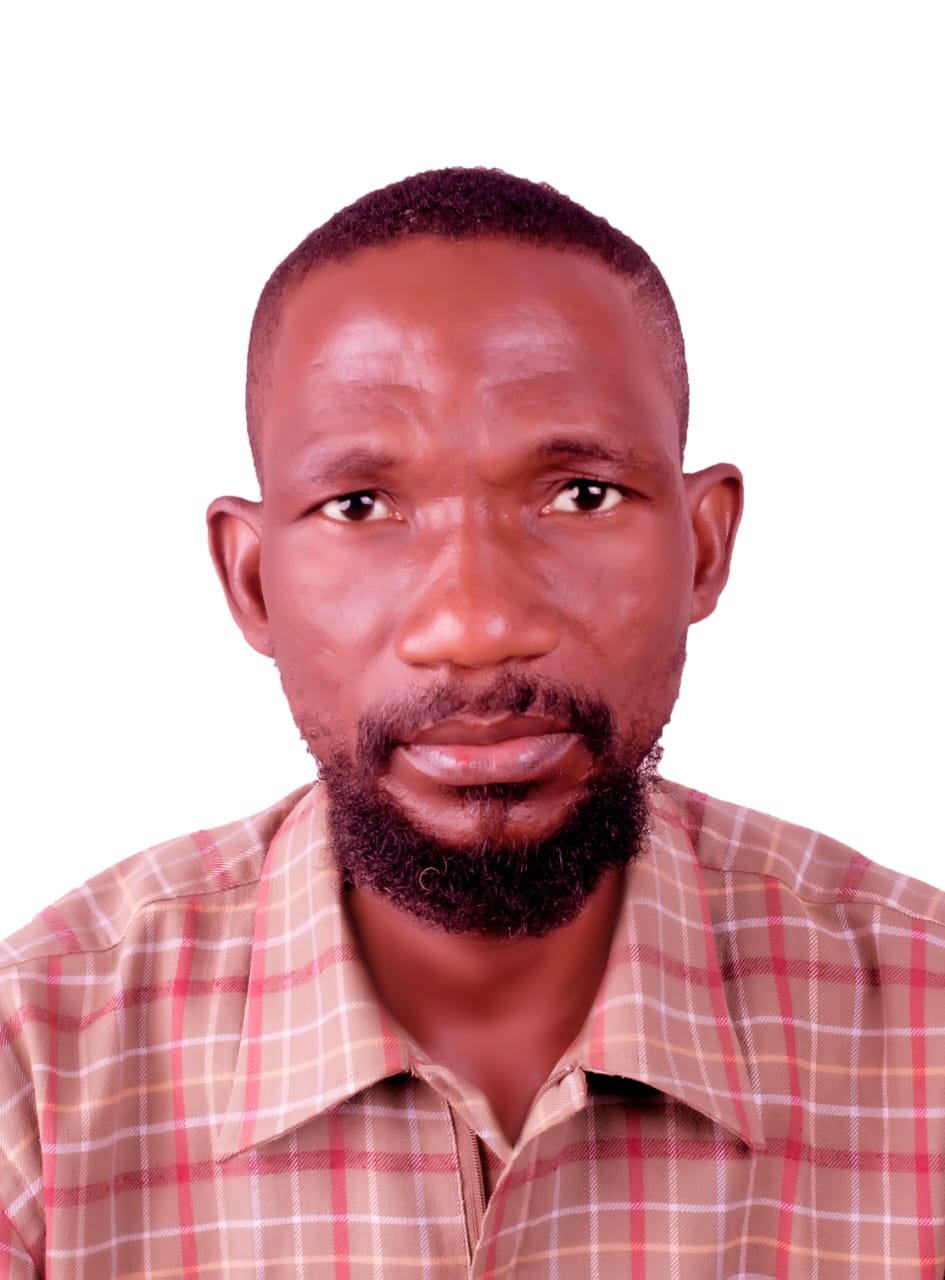
Reported by Afilawos Magana Sur, investigative Journalist at Sele Media Africa.
A racially inflammatory statement widely circulated on social media has been attributed to former South African President Pieter Willem Botha, alleging that in 1988 he claimed Black people lacked the capacity to govern themselves and would misuse power, democracy, and independence.Sele Media Africa has examined the origins and context of this claim amid renewed online attention. The historical context Botha, who served as Prime Minister (1978–1984) and later as Executive State President (1984–1989) of South Africa, was a central architect of the apartheid system. Apartheid, the state-enforced policy of racial segregation and white minority rule, systematically disenfranchised the country’s Black majority until its dismantling in the early 1990s. While Botha was known for hardline rhetoric defending apartheid and opposing majority rule, historians and archival records show that many quotations attributed to him in recent years have circulated without verifiable primary sources. Several fact-checking organizations and academic researchers have previously cautioned against the uncritical repetition of viral historical quotes lacking documented evidence.Verified Record vs. Viral claims mainstream archival materials, including parliamentary records, televised speeches, and interviews from the late 1980s, confirm that Botha strongly resisted calls for full democratic transition and rejected immediate majority rule. However, no widely cited primary transcript from 1988 has definitively verified the exact wording currently circulating online. Reputable international media outlets such as BBC News, Reuters, and The New York Times have extensively documented Botha’s apartheid-era policies, speeches, and political positions. Their historical reporting underscores his opposition to majority governance but does not prominently feature the specific quote now trending on social media. Experts on apartheid-era history note that racially demeaning views about Black political leadership were widely embedded in apartheid ideology. Nevertheless, precision in attribution remains essential for credible journalism. Why accurate attribution matters in an era of rapid information sharing, especially across African digital platforms, misattributed historical quotes can distort public understanding and inflame tensions. For African audiences, the stakes are particularly high given the continent’s ongoing struggle against colonial legacies, racial prejudice, and political instability narratives. Sele Media Africa emphasizes that confronting racism and historical injustice requires factual rigor. While apartheid leaders espoused discriminatory doctrines, responsible journalism demands verification of direct quotations before publication or amplification. The broader African perspective since the end of apartheid in 1994 under the leadership of figures such as Nelson Mandela, South Africa and other African nations have demonstrated the capacity for democratic governance, constitutional reform, economic growth, and institutional development—albeit with ongoing challenges. Across the continent, nations including Ghana, Botswana, and Namibia have recorded periods of stable democratic transitions and governance reforms, challenging long-standing racist stereotypes rooted in colonial ideology. ConclusionThe quote attributed to P.W. Botha reflects sentiments historically aligned with apartheid ideology. However, as of current publicly available archival evidence, the precise wording circulating online lacks definitive primary-source confirmation. For African media practitioners and audiences alike, separating documented historical record from viral rhetoric remains essential. Responsible reporting not only preserves historical truth but also strengthens democratic discourse across the continent. Sources: BBC News archival reports on P.W. Botha and apartheid-era South Africa; Reuters historical coverage of apartheid leadership; The New York Times archives on South African political history; academic analyses of apartheid-era rhetoric and governance.


Afilawos Magana Sur is a journalist from Bogoro Local Government Area of Bauchi State, currently based in Bauchi metropolis. He is known for his commitment to accurate, ethical, and responsible journalism, with a focus on reporting issues of public relevance and community development.
About The Author

Share this:

Discover more from Sele Media Africa
Subscribe to get the latest posts sent to your email.