
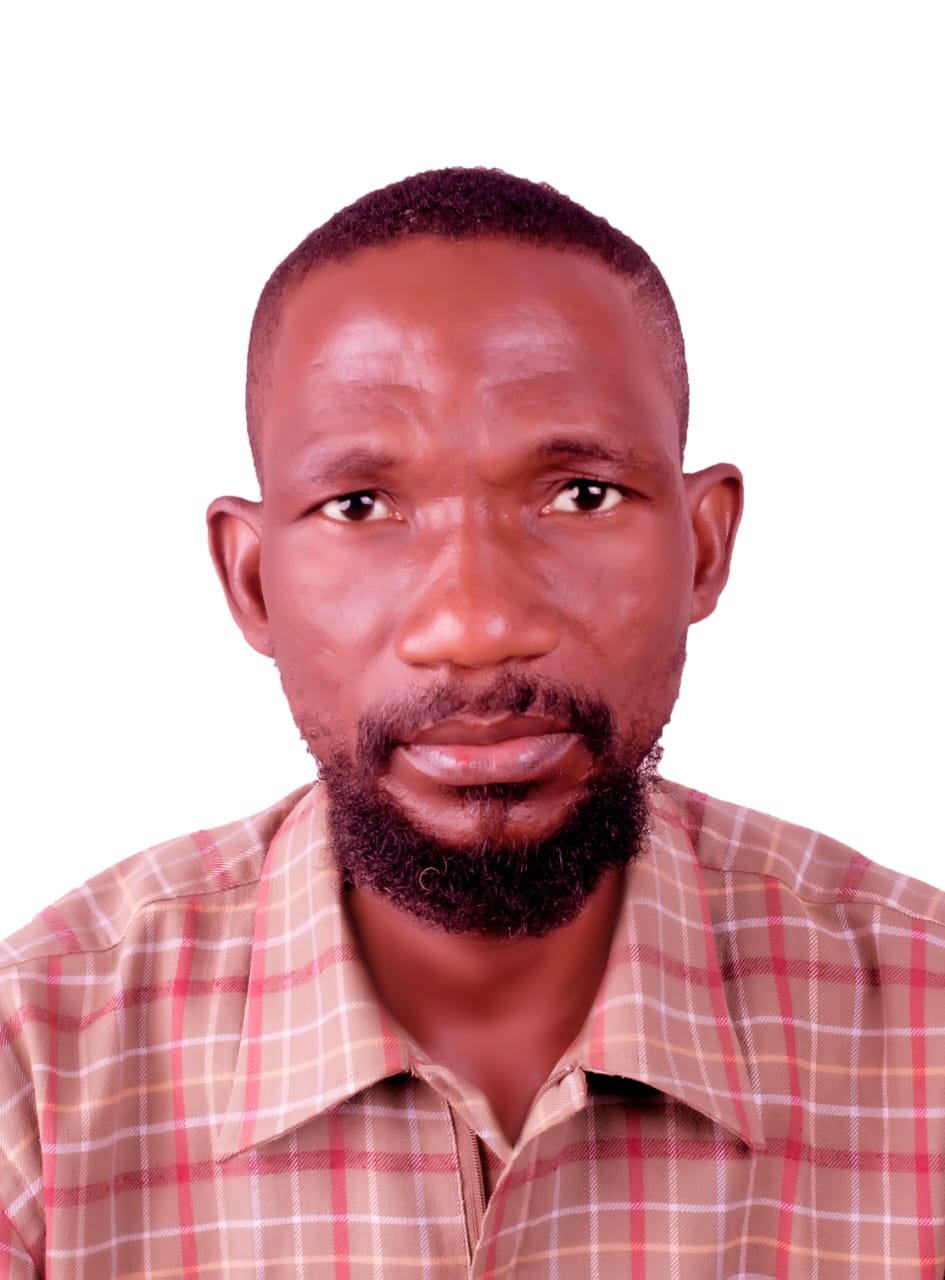
Reported by Afilawos Magana Sur, Managing Editor | Journalist at Sele Media Africa.
Nigeria’s ongoing anti-corruption drive has come under renewed public scrutiny following a wave of unverified but widely circulated claims alleging the recovery of trillions of naira linked to former top financial and political figures.
At the centre of the reports is former Central Bank of Nigeria (CBN) Governor, Godwin Emefiele, who is alleged to have returned approximately ₦4 trillion to the Federal Government. The claims, which remain unconfirmed by official authorities at the time of reporting, also suggest that several financial institutions linked to him may have been relinquished as part of a broader recovery process.
Additional allegations indicate that a former Deputy Governor of the CBN, Tunde Lemo, may have refunded up to $500 million. Separate claims further suggest that investigators uncovered $275 million in an account reportedly tied to a minor connected to a former presidential aide, alongside an additional ₦1.5 trillion allegedly traced to the same family.
Collectively, these figures form part of a broader narrative that Nigeria may have recovered over ₦12 trillion through an ongoing forensic audit and financial probe reportedly led by Jim Obazee, a special investigator appointed to examine activities within the apex bank and related institutions.
Official Silence and Need for Verification
Despite the scale and gravity of these claims, there has been no formal confirmation from key government agencies, including the CBN, the Economic and Financial Crimes Commission (EFCC), or the Presidency. This lack of official verification raises critical questions about the accuracy, context, and legal status of the reported recoveries.
Major international and domestic media outlets—including Reuters, Bloomberg, BBC, and Premium Times—have previously reported on investigations into the tenure of former CBN leadership and broader concerns around financial governance in Nigeria. However, none of these organizations have independently confirmed the specific figures currently circulating in public discourse.
This gap underscores the importance of distinguishing between verified investigative findings and unsubstantiated claims, particularly in a media environment where misinformation can spread rapidly.
Context: Nigeria’s Anti-Corruption Efforts
Nigeria has a long and complex history of anti-corruption campaigns, with successive administrations pledging to recover stolen assets and strengthen institutional accountability. The current government has reiterated its commitment to fiscal transparency, with National Security Adviser Nuhu Ribadu recently acknowledging that the administration inherited significant economic challenges tied to past financial mismanagement.
Ribadu has emphasized the need for sustained reforms, improved oversight, and coordinated intelligence efforts to combat corruption and illicit financial flows. His remarks align with broader government messaging that prioritizes economic recovery, debt management, and public sector accountability.
Financial Sector Reforms and Institutional Trust
The allegations, if substantiated, could have far-reaching implications for Nigeria’s financial system, particularly the credibility of the Central Bank and its regulatory framework. The CBN plays a pivotal role in monetary policy, banking supervision, and financial stability, making any claims of large-scale misconduct especially consequential.
Analysts note that restoring public trust will require not only asset recovery but also transparent legal processes, institutional reforms, and clear communication from authorities. Without these elements, even legitimate anti-corruption efforts risk being undermined by speculation and uncertainty.
Balancing Transparency and Due Process
While the prospect of recovering trillions in public funds may signal progress in Nigeria’s fight against corruption, experts caution against premature conclusions. Allegations involving high-profile individuals must be subjected to rigorous investigation, judicial scrutiny, and adherence to due process.
Equally important is the role of credible journalism in verifying facts, contextualizing developments, and avoiding amplification of unverified information. In a digital age where narratives can quickly gain traction, responsible reporting remains essential to maintaining public confidence and democratic accountability.
A Defining Moment or a Cautionary Tale?
If independently verified, the reported recoveries could mark one of the most significant financial crackdowns in Nigeria’s history. However, until official confirmations are made and legal proceedings concluded, the claims remain part of an evolving and highly sensitive national conversation.
For now, the situation highlights both the urgency of tackling corruption and the necessity of ensuring that such efforts are grounded in transparency, credibility, and the rule of law.
Sources
As of the time of publication, no internationally recognized or major Nigerian media outlets—including Reuters, Bloomberg, BBC, Al Jazeera, Premium Times, or The Guardian Nigeria—have independently verified the specific recovery figures cited in the circulating claims.
Background reporting on Nigeria’s financial sector investigations and CBN-related probes has been covered by:
Reuters, Bloomberg, BBC News,
Premium Times Nigeria
The Guardian Nigeria.
Author


Afilawos Magana Sur is a journalist from Bogoro Local Government Area of Bauchi State, currently based in Bauchi metropolis. He is known for his commitment to accurate, ethical, and responsible journalism, with a focus on reporting issues of public relevance and community development.
Share this:

Discover more from Sele Media Africa
Subscribe to get the latest posts sent to your email.